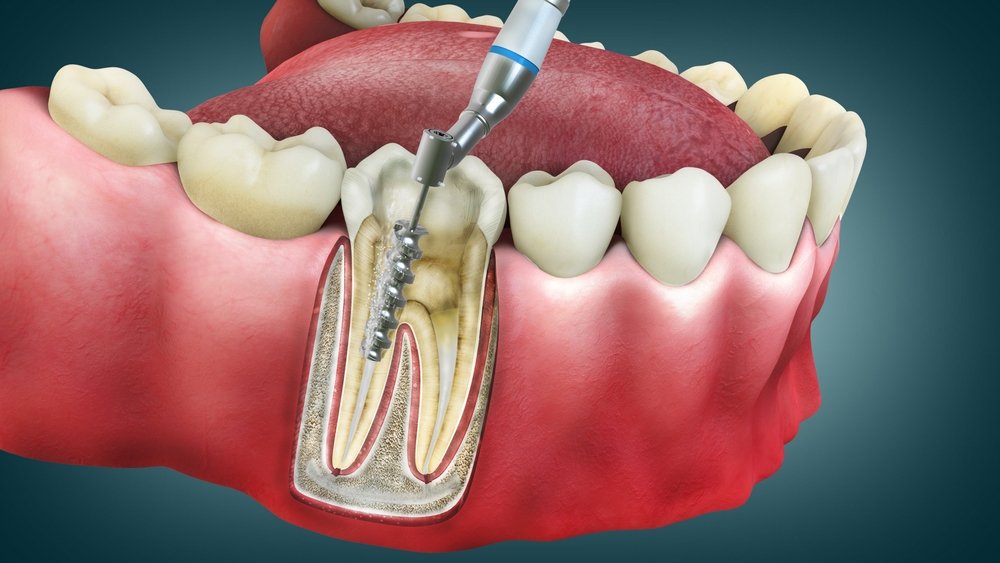
A root canal treats infection deep inside a tooth, and it can save the tooth from extraction. A pediatric root canal does the same for a child’s tooth. This procedure accounts for the unique needs of a young patient. Endodontists recommend this treatment when decay or injury reaches the soft inner pulp of a child’s tooth. Here is more information about pediatric root canals and how they work:
Understanding the Pediatric Root Canal
A pediatric root canal becomes necessary when a tooth develops a deep infection, and an endodontist confirms the diagnosis through an exam. Decay reaches the pulp over time. Trauma can also expose this sensitive tissue. An abscessed tooth signals that bacteria have invaded the area.
Some common symptoms indicate the need for professional attention:
- Persistent or throbbing tooth pain
- Swelling in the gums or face
- Sensitivity to hot and cold foods
- A small bump or pimple on the gums
An untreated abscess can spread, and the infection may damage nearby teeth or bone. The pain grows worse when caregivers delay treatment, and the child may struggle to eat or sleep. Early care helps prevent a smaller issue from progressing into a more serious one.
Explaining the Procedure
The endodontist numbs the area first, and this helps the child not to feel pain during the procedure. After the provider removes the infected pulp, they clean the inner chamber and seal the space to block future bacteria. A crown may cover the tooth afterward to protect it.
Root canals for children differ from adult procedures in several ways. A child’s tooth has a wider pulp chamber, and the roots may still be forming. The endodontist preserves the baby tooth’s role as a placeholder for the permanent tooth. Baby teeth guide adult teeth into position, and a premature loss can cause crowding later.
Monitoring the Results
A successful root canal saves the natural tooth, and the child returns to normal chewing and speaking. Regular dental visits let the provider track the restoration over time. The dentist checks the crown, reviews healing, and takes X-rays when needed. Small issues are identified early during these checkups, and the provider adjusts care as the child grows.
Caring for the Patient
Caregivers play a direct role in recovery. Good habits protect the treated tooth. The child may want to eat a diet of soft foods at first, and warm salt water rinsing can soothe tender gums. The child should avoid hard or sticky snacks while the area heals.
Home hygiene routines keep the restoration strong:
- Brush gently twice a day with a soft toothbrush
- Floss daily to remove debris between teeth
- Schedule follow-up visits as advised
The crown needs the same care as a natural tooth, and consistent brushing prevents new decay.
Protect Your Child’s Oral Health
A pediatric root canal removes infection from a child’s tooth, and it preserves that tooth for healthy development. The process starts with a diagnosis, moves through gentle treatment, and continues with monitoring and home care. If you want to learn more about root canals for children and their benefits, consult a qualified endodontist near you.
- Methods for Youthful Skin Rejuvenation
- Functional Health and Its Role in Preventive Care
- Navigating Hormonal Changes and Wellness During Menopause
- Exploring Non-Invasive Treatments for Nerve Pain
- The Role of Dental Exams in Early Detection of Oral Diseases