Lifestyle diseases such as heart disease, high blood pressure, obesity, and diabetes are often influenced by daily habits, family history, and long-term health patterns. Preventive cardiology helps patients identify these risks early and develop personalized strategies to improve heart health. Here is more information on using preventive cardiology to combat lifestyle diseases:
Assess Lifestyle Risks
A lifestyle risk assessment is one of the first steps in preventive cardiology. During this process, a cardiologist reviews your medical history, family background, physical activity levels, diet, sleep patterns, and stress habits. Each of these factors can contribute to cardiovascular risk over time, and reviewing them together provides a more complete picture. Blood pressure readings, cholesterol panels, blood glucose levels, and body composition data are also collected during this phase. The goal is to build an accurate baseline that reflects your current health status, not to make assumptions based on general statistics.
Personalize Health Strategies
Once a risk profile is established, your care team develops health strategies tailored to your specific results. These strategies address the areas where your risk is highest. The following are common components of a personalized preventive cardiology plan:
- Dietary adjustments: Based on your lab results and health goals, a registered dietitian may recommend changes to sodium, saturated fat, or refined sugar intake to support cardiovascular health.
- Physical activity planning: A structured exercise plan is created around your current fitness level, any existing conditions, and your schedule.
- Stress management techniques: Practices such as breathing exercises, mindfulness, or structured relaxation may be included.
- Sleep optimization: The plan may include strategies to improve sleep duration and consistency.
- Medication management: When lifestyle changes alone are insufficient, a physician may prescribe or adjust medications to manage cholesterol, blood pressure, or blood sugar levels.
These strategies work as a coordinated system, and your care team adjusts them as your health data changes over time.
Prevent Disease Early
Early disease prevention focuses on reducing risk before measurable damage occurs. In preventive cardiology, this often means acting on borderline lab values or early warning signs that may otherwise go unaddressed. Mildly elevated blood pressure may not trigger a diagnosis, but it still requires attention and structured follow-up. Catching these patterns early gives you and your care team more options and more time to make adjustments. The process relies on regular data, clinical observation, and clear communication between the patient and the care team.
Monitor Progress
Preventive cardiology requires ongoing monitoring to measure how well your strategies are working. The following tools and methods are typically used to monitor progress:
- Routine lab work: Blood tests are repeated at scheduled intervals to track cholesterol, blood glucose, and other key markers.
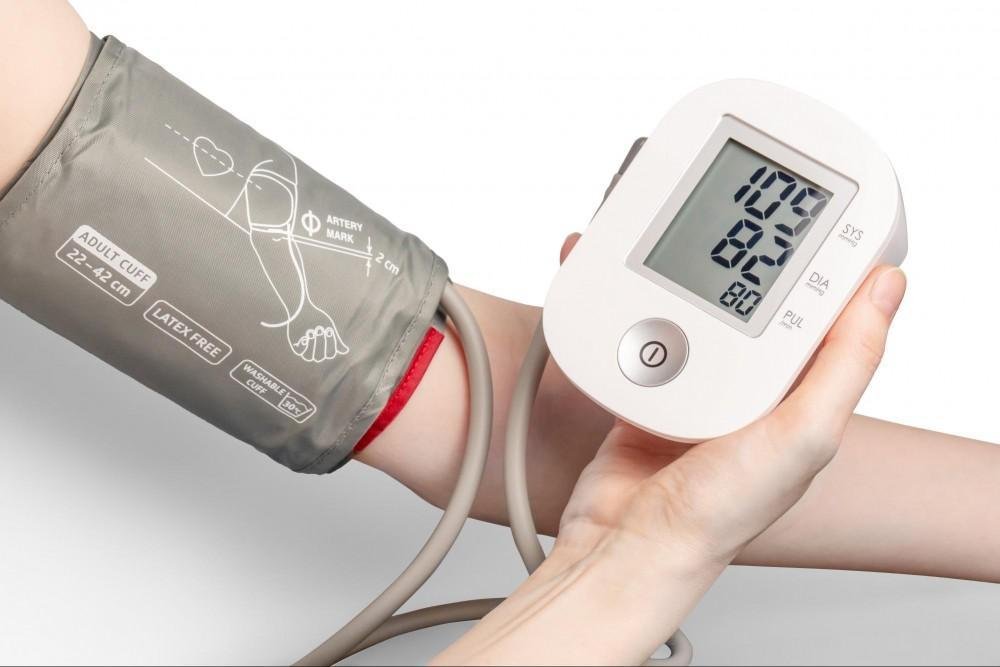
- Blood pressure tracking: Regular blood pressure checks provide a more accurate picture of cardiovascular health.
- Fitness and activity logs: Tracking physical activity helps confirm that exercise recommendations are being followed and allows for adjustments if progress stalls.
- Dietary check-ins: Periodic reviews with a dietitian help identify gaps between the recommended plan and actual eating habits.
- Symptom reporting: Patients are encouraged to report new or changing symptoms between appointments so the care team can respond promptly.
Consistent monitoring turns isolated data points into a meaningful health record.
Book Your Preventive Cardiology Appointment
Preventive heart care provides a structured framework for addressing the lifestyle factors that contribute to cardiovascular disease. This approach targets the root causes of lifestyle-related conditions rather than managing symptoms after they appear. Contact a qualified cardiologist in your area to book your preventive cardiology appointment today.
- Methods for Youthful Skin Rejuvenation
- Functional Health and Its Role in Preventive Care
- Navigating Hormonal Changes and Wellness During Menopause
- Exploring Non-Invasive Treatments for Nerve Pain
- The Role of Dental Exams in Early Detection of Oral Diseases