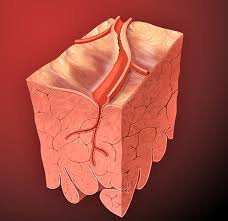
Chest discomfort can be unsettling, and many people wonder whether what they feel is connected to their heart. Angina is a common reason behind this type of discomfort. It signals that the heart muscle may not be receiving as much oxygen-rich blood as it needs. Learning what angina is and how it can be addressed gives you a clearer picture of your health, helping you make informed choices about care.
What Is Angina?
Angina refers to a feeling of pressure, tightness, squeezing, or pain in the chest. It usually appears when the heart works harder than usual, and it demands more blood than it can get at that moment. Some people describe the sensation as a heavy weight resting on the chest, while others feel a dull ache that spreads to the shoulders, arms, neck, jaw, or back.
There are different patterns of angina. Stable angina tends to follow a predictable course, often showing up during physical effort or stress and easing with rest. Unstable angina is less predictable, and it may occur even at rest and last longer. A third type, sometimes called variant angina, results from a temporary tightening of the heart’s blood vessels. Angina is a symptom rather than a disease on its own. It points to an underlying issue affecting blood flow to the heart.
What Causes It?
The most frequent reason behind angina is reduced blood flow, typically through the arteries that supply the heart. Fatty deposits known as plaque may build up along the inner walls of these vessels over time. This buildup narrows the passage, and it limits how much blood can travel through, a condition often called coronary artery disease.
Certain activities and situations may trigger episodes. Physical exertion raises the heart’s workload; stress and smoking can also prompt symptoms in people whose arteries are already narrowed. In these moments, the gap between what the heart needs and what it receives becomes noticeable.
Several factors raise the likelihood of developing the conditions linked to angina, including high blood pressure, elevated cholesterol, diabetes, a family history of heart problems, tobacco use, excess weight, and a sedentary lifestyle. Age is another contributor, and arteries may stiffen and narrow as the years pass. Understanding these factors gives people a starting point for discussions with a healthcare provider about their personal risk.
How Can It Be Managed?
Management of angina generally involves a combination of different approaches, including lifestyle adjustments, medication, and medical procedures in some cases. Lifestyle changes are a part of many treatment plans. These may include adopting a balanced diet, increasing physical activity, quitting smoking, managing stress, and maintaining a healthy weight. These aim to improve one’s physical health, and this can help reduce the strain placed on the heart.
Medications may be prescribed to support the heart and improve blood flow. Some work by relaxing and widening blood vessels, and others slow the heart rate or lower blood pressure. A doctor can also recommend treatments that address cholesterol or reduce the chance of clots forming. When symptoms remain difficult to control, a cardiologist might suggest procedures that restore blood flow. This can include surgery.
Seek Professional Cardiology Care
Angina deserves professional medical attention. A cardiologist can request tests, and they are able to recommend a plan suited to your needs. If you notice chest discomfort, especially symptoms that are new, worsening, or occurring at rest, prompt medical evaluation is advisable. Professional guidance puts you in a position to protect your heart health for the long term.
- Methods for Youthful Skin Rejuvenation
- Functional Health and Its Role in Preventive Care
- Navigating Hormonal Changes and Wellness During Menopause
- Exploring Non-Invasive Treatments for Nerve Pain
- The Role of Dental Exams in Early Detection of Oral Diseases