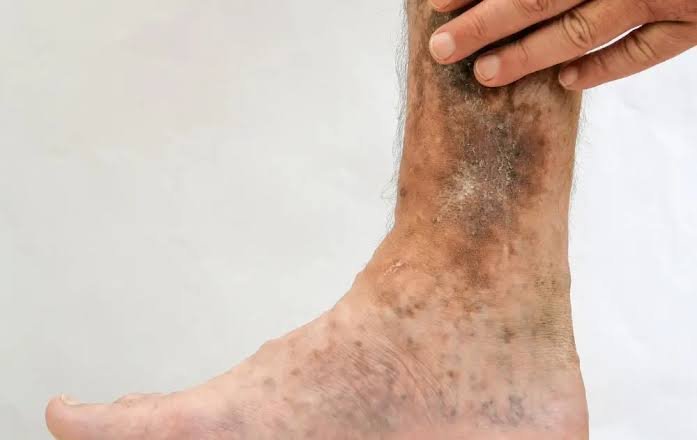
Venous ulcers are open wounds on the lower legs, and they develop as a result of poor blood circulation in the veins. Managing them typically involves compression therapy, consistent wound care, and treatment of the underlying vein condition, which means that early intervention may lead to better outcomes. Here is more information on this condition and tips for effective management:
What Are Venous Ulcers?
Venous ulcers are open sores that form on the lower legs, most commonly near the ankles, which can affect mobility. They develop when the skin breaks down due to prolonged pressure and poor blood flow in the veins. These wounds can be slow to heal, and they sometimes persist for weeks or months without proper treatment.
What Causes Them?
Chronic venous insufficiency is the primary cause of venous ulcers. This condition occurs when the veins struggle to return blood from the legs to the heart, and it develops as the one-way valves inside the veins weaken or become damaged. When these valves fail, blood pools in the lower legs, increasing pressure in the veins and causing fluid to leak into surrounding tissue, which eventually breaks down the skin.
Several risk factors contribute to weakened vein function over time. Obesity, prolonged standing or sitting, a history of deep vein thrombosis, and older age are among the most common; each places additional strain on the venous system. The longer venous insufficiency goes untreated, the higher the likelihood of ulcer development.
What Are the Symptoms?
Venous ulcers present with a range of symptoms that progress over time. Early and advancing signs include:
- Swelling, heaviness, and discoloration of the lower legs
- Itching, aching, and skin hardening as the condition advances
- An open, shallow wound with irregular edges and a weeping surface
Recognizing these symptoms early helps determine the appropriate course of treatment and prevent further deterioration of the affected area.
How Are Venous Ulcers Managed?
Effective management addresses three core areas: compression therapy, wound care, and treatment of the underlying vein condition. Compression therapy is the foundation of venous ulcer treatment. Applying consistent, graduated compression to the affected leg reduces swelling, and it improves blood flow back toward the heart. Compression stockings or multi-layer bandaging systems are commonly used for this purpose. When worn consistently, compression therapy accelerates healing while lowering the risk of recurrence.
Wound care focuses on keeping the ulcer clean, moist, and protected from infection, and clinicians may use specialized dressings that manage wound fluid while supporting tissue repair. Regular wound assessments allow the care team to monitor healing progress. As the wound changes, dressings are adjusted accordingly. Debridement removes dead or damaged tissue to promote healthy tissue growth.
Treating the underlying vein condition addresses the root cause. Procedures such as sclerotherapy close off the damaged veins responsible for poor circulation. Because blood is redirected through healthier veins, the pressure that caused the ulcer is reduced, and the likelihood of recurrence decreases. Without this step, ulcers are likely to return even after the wound closes. Lifestyle modifications also play a supporting role; elevating the legs regularly, staying active, and maintaining a healthy weight all contribute to better vein function.
Seek Professional Guidance Today
Venous ulcers are a manageable condition, but they rarely resolve without professional care. Compression therapy addresses swelling, wound care supports healing at the surface, and vein treatment targets the source of the problem. These approaches offer a reliable plan for recovery. If you or someone you care for is dealing with a slow-healing leg wound, schedule a consultation with a vascular specialist.
- Methods for Youthful Skin Rejuvenation
- Functional Health and Its Role in Preventive Care
- Navigating Hormonal Changes and Wellness During Menopause
- Exploring Non-Invasive Treatments for Nerve Pain
- The Role of Dental Exams in Early Detection of Oral Diseases