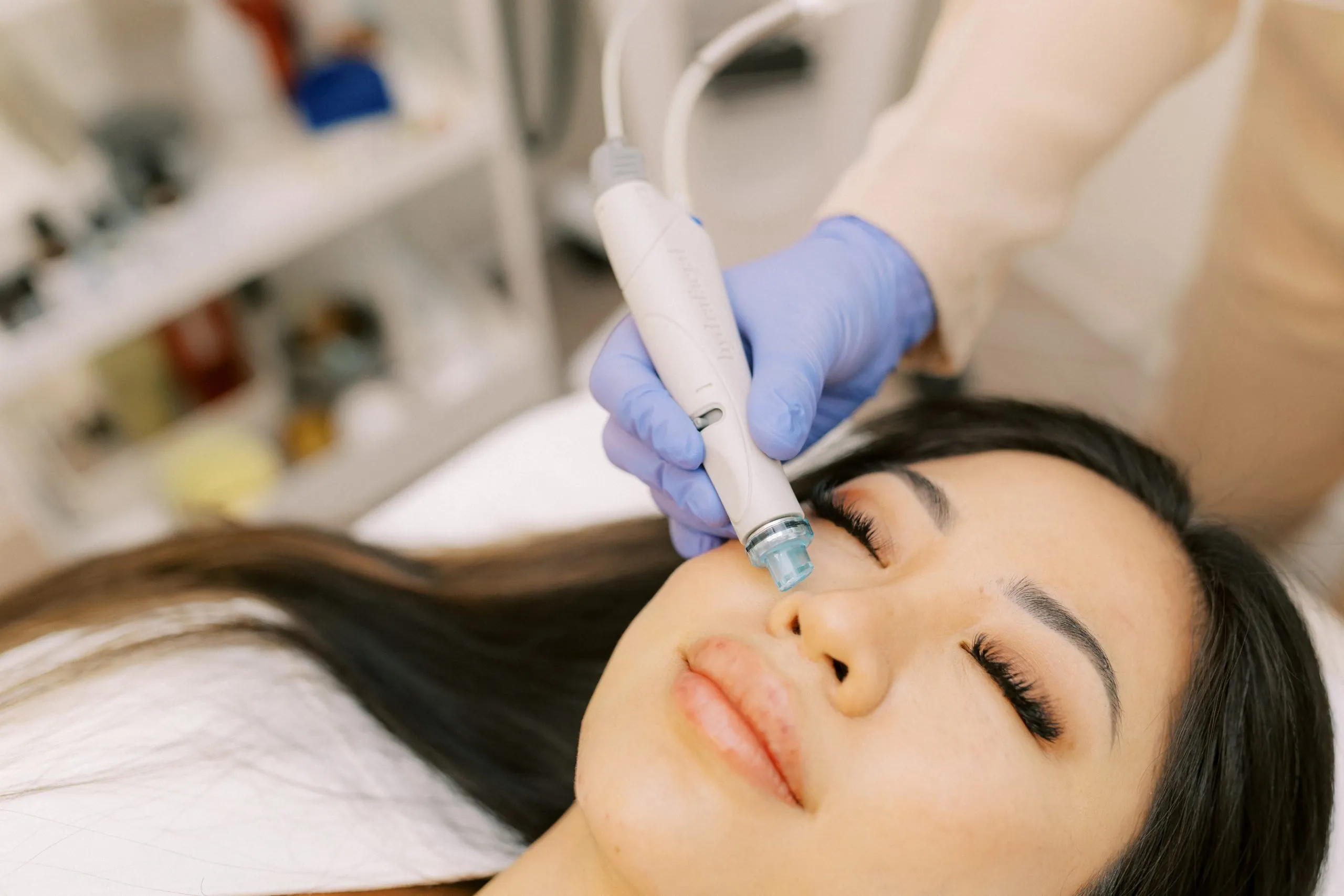
Skin rejuvenation helps restore a youthful, radiant appearance. As skin ages, it naturally loses elasticity, develops fine lines, and becomes uneven in tone and texture. Treatments range from non-invasive options to more intensive procedures, and each method offers distinct results. Understanding what these treatments involve helps patients make well-informed decisions about their skincare.
What Is Skin Rejuvenation?
Skin rejuvenation refers to a range of cosmetic treatments that aim to restore the skin’s youthful appearance and texture. These procedures stimulate the skin’s natural repair mechanisms and encourage cell turnover, which collectively improves overall skin quality. Outcomes vary by treatment, but patients may notice improved skin tone and texture after a course of treatment.
What Are the Available Methods?
Several treatments are available for skin rejuvenation, and each targets different skin concerns. Non-invasive options include facials, lymphatic treatments, and dermaplaning. Facials cleanse, exfoliate, and nourish the skin; lymphatic treatments use gentle massage techniques that reduce puffiness and promote skin health. Dermaplaning removes dead skin cells and fine facial hair with a sterile blade, which makes it a straightforward yet effective option for surface-level skin renewal.
Minimally invasive procedures offer more targeted results. Providers may recommend them when non-invasive options are insufficient. Microdermabrasion exfoliates the outer layer of skin using fine crystals or a diamond-tipped wand. When skin peels are applied, they remove dead skin cells and stimulate new growth. Microneedling creates micro-injuries using fine needles that trigger the body’s natural healing response and collagen production.
More advanced treatments include laser skin tightening and platelet-rich plasma (PRP) therapy. Laser skin tightening uses focused laser energy to stimulate collagen production and reduce skin laxity, which makes it effective for patients with significant skin looseness. PRP therapy uses the patient’s own blood plasma, which is rich in growth factors, to stimulate collagen and tissue regeneration. The right treatment depends on individual skin concerns and goals; consult a qualified skincare professional before proceeding.
What Does the Process Involve?
The skin rejuvenation process typically begins with a consultation; a trained practitioner evaluates factors such as skin type, tone, and specific concerns before recommending a course of action. Treatment varies by method. Non-invasive procedures such as facials and lymphatic treatments require little to no preparation. When more intensive methods are used, patients may need to follow specific pre-treatment care instructions.
After treatment is over, patients receive aftercare instructions to support the healing process. Some patients resume normal activities immediately, while others may experience redness or mild swelling for a few days. Following aftercare guidelines affects the quality and longevity of results. Recovery time differs by procedure.
What Are the Benefits?
Skin rejuvenation treatments offer a broad range of benefits that extend beyond aesthetics. Patients who complete their recommended treatment plan may experience improvements across several areas:
- Skin texture, tone, and hydration: Some procedures stimulate the skin’s natural collagen production, resulting in firmer, more hydrated skin over time.
- Targeted skin concerns: Treatments such as microneedling address acne scarring, hyperpigmentation, and enlarged pores at a deeper skin level.
- Long-term skin health: With consistent treatment, the cumulative effects of skin rejuvenation may produce lasting improvements in overall skin quality.
Seek a More Youthful Appearance
Skin rejuvenation encompasses a wide range of treatments, and each is designed to address the natural changes that occur in aging skin. From the gentle exfoliation of dermaplaning to the regenerative power of PRP, these methods offer patients targeted options for achieving more youthful skin. The process begins with a professional consultation and continues through treatment and aftercare. If you are exploring your options, consult a qualified skin care practitioner.
- Methods for Youthful Skin Rejuvenation
- Functional Health and Its Role in Preventive Care
- Navigating Hormonal Changes and Wellness During Menopause
- Exploring Non-Invasive Treatments for Nerve Pain
- The Role of Dental Exams in Early Detection of Oral Diseases