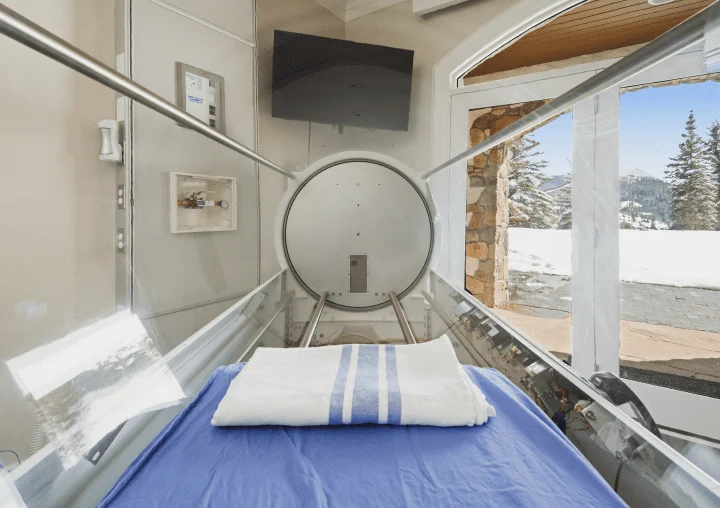
Radiation treatment targets cancer cells, yet it sometimes damages nearby healthy tissue. Hyperbaric therapy delivers concentrated oxygen inside a pressurized chamber. You breathe pure oxygen while resting, and the treatment supports your body’s own repair systems. Here is more information on how this therapy works when treating radiation injuries:
Delivering Pure Oxygen
Inside a hyperbaric chamber, you breathe oxygen that reaches 100%, and the difference changes how much your blood carries. When tissues near radiation damage often receive too little oxygen, this higher concentration reaches areas that struggle to heal. You lie while a technician monitors the chamber, and the process feels similar to resting in a quiet room.
Creating Pressure
The chamber raises air pressure above what you feel at sea level. This added pressure pushes more oxygen into your blood plasma, and your tissues gain access to oxygen they normally miss. When pressure increases, oxygen dissolves directly into fluids rather than relying only on red blood cells.
You may notice a fullness in your ears during hyperbaric therapy. That sensation resembles the feeling you get on an airplane, and simple swallowing helps relieve it. Technicians adjust the pace slowly so your body adapts.
This increased oxygenation may accelerate healing processes and reduce inflammation in the body. It is a safe and non-invasive treatment that is closely monitored by trained professionals. While the therapy may require multiple sessions over time, individuals typically have significant improvements in their overall well-being and recovery.
Building New Blood Vessels
Radiation may narrow small blood vessels and reduce circulation. Repeated oxygen exposure signals your body to form new vessels, and this process is called angiogenesis. Since damaged areas need better blood flow, these new pathways carry oxygen and nutrients where they are needed.
New vessel growth happens gradually across a treatment series. Your progress depends on the injury site and its severity, and your physician tracks changes over time. Some patients complete many sessions before their course ends.
Doctors may recommend hyperbaric therapy for radiation injuries such as:
- Tissue damage in the head and neck
- Bladder or bowel injury from pelvic radiation
- Bone damage, including osteoradionecrosis of the jaw
Healing Tissues
Oxygen fuels the cells that rebuild damaged tissue. When more oxygen reaches an injury, fibroblasts and other repair cells work more actively. Since these cells depend on a steady oxygen supply, the therapy targets the root of slow healing.
Wound care teams often pair hyperbaric therapy with other treatments. You might continue dressings, medications, or dental procedures alongside your sessions, and your providers coordinate the full plan. This combined approach addresses both the surface wound and the tissue beneath it.
Your care team measures results through follow-up exams and imaging. They document how tissue responds, and they adjust your schedule as needed. A typical evaluation includes:
- A review of your radiation history
- An assessment of the affected tissue
- A recommended number of sessions
Schedule Hyperbaric Therapy Near You
Hyperbaric oxygen therapy offers a structured option for people living with radiation injuries. As every case differs, a specialist reviews your history before recommending a plan. Talk with your oncologist or wound care provider about whether this therapy fits your situation. Call a medical clinic today to schedule a consultation, and a team can explain the process step by step.