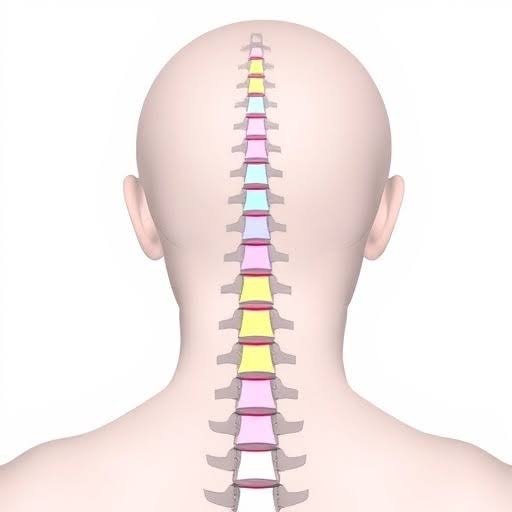
Advances in spinal cord stimulation have introduced longer-lasting batteries and new stimulation patterns that offer more personalized pain relief. These innovations help manage chronic pain more effectively while reducing discomfort and improving daily function. Here is a closer look at technological innovations in spinal cord stimulators for pain relief:
Advanced Therapy
Spinal cord stimulation has evolved significantly in recent years, providing enhanced relief for patients with chronic pain. Among the most notable advancements are improvements in therapy waveforms, particularly BurstDR and HF10 therapy. These innovations offer better outcomes for individuals with complex conditions.
Advancements in BurstDR Therapy
BurstDR therapy closely mimics natural neural firing patterns, delivering electrical stimulation in intermittent bursts instead of continuous pulses. This approach is designed to provide more effective pain relief while minimizing uncomfortable side effects. Its versatility allows for use in a broad range of cases, making it a key component in modern spinal cord stimulators.
Innovations in HF10 Therapy
HF10 therapy, characterized by its high-frequency stimulation, has set new standards in pain relief. HF10 allows patients to manage pain without experiencing tingling sensations, a significant benefit for day-to-day comfort and quality of life. This therapy addresses areas that are often challenging to treat using conventional methods.
Extended Battery Life
The neurostimulator is the power source of a spinal cord stimulation system, and battery performance has long affected how often patients interact with the device. Older systems required frequent charging or earlier replacement, but newer models manage energy more efficiently. Manufacturers have refined internal components, allowing some devices to hold a charge longer between sessions.
Longer battery life reduces how often you plan around charging, which can make daily routines more predictable. Rechargeable systems now use improved cells that maintain capacity over extended periods, while some non-rechargeable devices last several years before replacement. When a device holds power reliably, you spend less time managing hardware and more time focused on your activities.
Smaller Rechargeable Implants
Implant size affects the surgical placement and the comfort a patient feels afterward; engineers have worked to make these components smaller. Modern neurostimulators occupy less space than earlier generations, which can influence placement options and recovery. Charging methods have also improved alongside these size reductions.
Some rechargeable devices reach a full charge in a shorter window, which reduces the time you spend connected to a charger. Some systems also use external chargers that transfer power through the skin, which removes the need for direct connections. These features work together to lower the daily burden of managing an implant.
Personalized Remote Stimulation
Remote control technology has become a central part of modern spinal cord stimulators, giving patients direct input over their therapy. Handheld controllers and smartphone apps let you adjust stimulation settings within limits set by your clinician. This access means you can respond to changes in your daily activity without scheduling an office visit for every adjustment. Personalization tools also record data that clinicians review during follow-up appointments. When your device logs usage patterns, your care team gains helpful information for fine-tuning the program.
Explore Spinal Cord Stimulation Today
Spinal cord stimulators offer a customizable and patient-centered approach to pain management. These systems provide targeted relief while allowing patients to adjust settings for their unique needs by leveraging advanced technology. Personalization features enhance the therapy’s effectiveness, promoting optimal outcomes through collaboration between patients and their care teams. Contact a qualified pain management specialist near you to schedule your appointment and explore spinal cord stimulation today.