Visible veins on the legs or face are a common concern for many adults. These veins can appear as thin, web-like lines, or they manifest as larger, raised cords beneath the skin. For people who want to address the appearance or discomfort associated with these veins, sclerotherapy is one of the most widely used treatment options.
What Is Sclerotherapy?
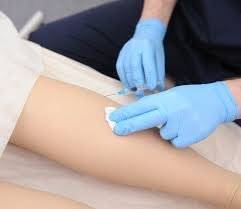
Sclerotherapy is a minimally invasive medical procedure used to treat certain types of visible or damaged veins. During the treatment, a specialized solution is injected directly into the affected vein. This solution causes the walls of the vein to irritate and gradually close. The treated vein collapses and is naturally reabsorbed by the body over time; this reduces its appearance on the surface of the skin.
The procedure is generally performed in an outpatient setting. It does not require surgery or anesthesia, and this can make it an accessible option for people seeking to address smaller veins. The type of solution used and the number of injections depend on certain aspects of the veins being treated, such as the size and location.
What Is It Used For?
Spider veins are small, thin veins that appear close to the surface of the skin. They often show up as red, blue, or purple lines, and they may form patterns that resemble a spider’s web. These veins are frequently found on the legs and sometimes on the face. While they are usually harmless, people can choose to have them treated for cosmetic reasons.
Varicose veins are larger, swollen veins that may appear twisted or raised beneath the skin. They typically develop in the legs, and they can be linked to feelings of heaviness, aching, or general discomfort. Smaller varicose veins may respond well to sclerotherapy, though larger ones sometimes require other forms of treatment.
Several factors can contribute to the development of these veins, including age, genetics, and prolonged standing. Pregnancy and hormonal changes are other influences that may play a role. Each person’s situation differs, but a medical professional can help determine whether sclerotherapy is a suitable approach for a particular case.
What Should You Expect?
The sclerotherapy process is generally straightforward. It may be completed within a single appointment, depending on the number of veins being treated. Understanding the basic steps can provide clarity for patients before their visit, and these typically include:
- Assessment: A provider first examines the veins to identify which ones are suitable for treatment.
- Injection: Using a fine needle, the provider injects the sclerosing solution into each targeted vein.
- Compression: Patients may be asked to wear compression stockings for a period of time to support the healing process.
- Recovery: Most people are able to return to their usual daily activities shortly after the procedure.
The number of sessions needed varies from person to person. Some individuals achieve their desired results after a single treatment, while others may require several sessions spaced weeks apart.
Seek Professional Vein Care
Sclerotherapy offers a practical option for individuals who want to address visible veins in a minimally invasive way. Results are not always immediate, and follow-up appointments are sometimes recommended to track progress. Adopting supportive habits, such as staying active and wearing compression garments when advised, may contribute to a smoother recovery. Anyone interested in learning whether this treatment aligns with their needs can speak with a medical professional who specializes in vein care to receive guidance tailored to their individual situation.
- Methods for Youthful Skin Rejuvenation
- Functional Health and Its Role in Preventive Care
- Navigating Hormonal Changes and Wellness During Menopause
- Exploring Non-Invasive Treatments for Nerve Pain
- The Role of Dental Exams in Early Detection of Oral Diseases