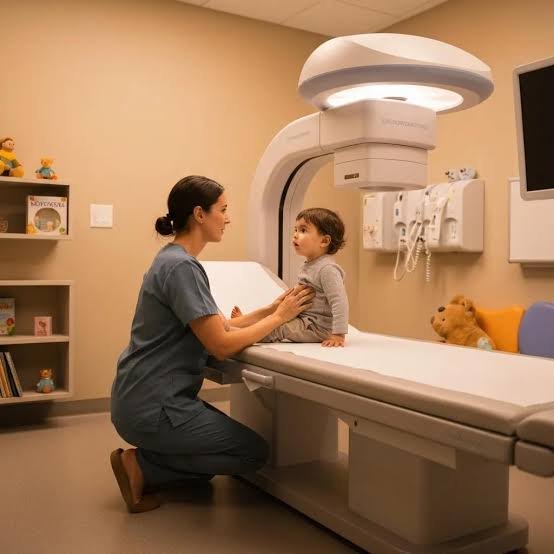
A child can face an injury, illness, or an unexplained symptom, and medical teams often rely on imaging to see what is happening inside the body. A computed tomography scan, commonly called a CT scan, is one tool that gives physicians a detailed view without surgery. Learning how this technology works can make the process provide clarity for parents.
What Is a CT Scan?
A CT scan is a diagnostic imaging test that combines X-ray technology with computer processing to create detailed pictures of the body. Rather than producing a single flat image, the scanner captures many views from different angles and assembles them into cross-sectional slices. Physicians then examine these slices individually, or they can view them as a three-dimensional model.
In pediatric settings, these scans are adapted for younger patients. Technologists adjust the equipment to suit a child’s smaller size, and radiologists can interpret the results with the growth and development of children in mind. This tailored approach allows medical teams to gather clear and accurate information.
How Do They Work?
A CT scanner is a large machine with a circular opening at its center. During the scan, the child lies on a motorized table that slides slowly through this opening. Inside the ring, an X-ray tube rotates around the body, and it sends beams from many directions.
The information collected by the detectors travels to a computer, and the computer then reconstructs it into detailed images. Denser materials, such as bone, appear differently than softer tissues, allowing the software to distinguish one structure from another. The result is a series of clear, layered pictures that a radiologist can study. In some cases, a physician may recommend a contrast material to highlight specific areas. The care team explains whether contrast is part of a particular exam.
The machine works best when the patient stays still. For very young patients, a facility may use gentle techniques to keep them relaxed throughout the procedure. The process is painless, and the child can usually resume normal activities soon afterward.
What Are They Used For?
CT scans help physicians identify a wide range of conditions across many parts of the body. Because the images show fine detail, they are valuable for examining areas that are difficult to assess through a physical exam alone. The information gathered supports accurate evaluations, and it can guide treatment decisions. In children, these scans may assist in examining:
- Injuries from accidents, including fractures, internal bleeding, or trauma to the head, chest, or abdomen
- Abnormalities in organs
- Growths or masses that require closer inspection
- Blood vessel concerns, which contrast material can help reveal
Physicians also use CT imaging to monitor a known condition over time or to plan a treatment approach. By comparing scans taken at different points, the medical team can track changes and adjust care accordingly.
Seek Professional Pediatric Radiology Services
A CT scan is a resource that gives medical teams a clear window into a child’s body, supporting accurate diagnosis and thoughtful care. Pediatric radiology services bring together specialized equipment and trained professionals who focus on the unique needs of younger patients. These teams work to capture high-quality images, and these help physicians reach reliable conclusions. Reaching out to a pediatric radiology provider connects your child with specialists dedicated to child-centered diagnostic care.
- Methods for Youthful Skin Rejuvenation
- Functional Health and Its Role in Preventive Care
- Navigating Hormonal Changes and Wellness During Menopause
- Exploring Non-Invasive Treatments for Nerve Pain
- The Role of Dental Exams in Early Detection of Oral Diseases