A rotator cuff tear causes persistent shoulder pain, and it can limit daily movement. Rotator cuff tear surgery, sometimes performed as arthroscopic rotator cuff repair, reattaches torn tendons to the upper arm bone. The procedure restores stability and, after a guided rehabilitation period, improves shoulder mobility. Patients may regain range of motion gradually over several months as the repaired tendon heals. Here is more information on this surgery and how shoulder mobility is affected:
What Is a Rotator Cuff Tear?
The rotator cuff is a group of four muscles and tendons that surround the shoulder joint. These tendons hold the upper arm bone in the shoulder socket, and they allow individuals to lift and rotate their arms. A tear occurs when one or more of these tendons separate, either partially or fully, from the bone, and common causes include repetitive overhead motion, sudden injury, and age-related tendon degeneration.
When the tear limits function or fails to respond to nonsurgical treatment, a surgeon may recommend arthroscopic rotator cuff repair. This minimally invasive procedure addresses the damaged tendon directly. Patients with persistent pain, weakness, or reduced range of motion are often candidates, and consulting an orthopedic surgeon helps determine suitability.
What Is Arthroscopic Rotator Cuff Repair?
Arthroscopic rotator cuff repair is a surgical technique that reattaches a torn tendon to the upper arm bone. The surgeon uses an arthroscope, a thin tube fitted with a camera, to view the inside of the shoulder joint. Small incisions allow specialized instruments to access and repair the tear without opening the entire joint, and this approach reduces tissue disruption. Patients may return home the same day and then begin a structured recovery plan.
How Does It Work?
The surgeon begins by administering anesthesia, sometimes a combination of general anesthesia and a regional nerve block. A small incision is made to insert the arthroscope, which projects a magnified image of the joint onto a monitor. Through additional small incisions, the surgeon removes any damaged tissue and prepares the bone surface for reattachment. Once the tendon is fixed in place, the surgeon closes the incisions. The repaired tissue begins to heal over the following weeks, and recovery is supported by a guided rehabilitation program.
How Is Shoulder Mobility Affected?
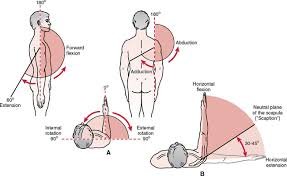
Shoulder mobility changes throughout the recovery process. In the early weeks, movement is limited as the tendon heals and the shoulder is protected with a sling. Passive exercises may be introduced first to maintain flexibility, and this process involves carefully moving the shoulder. Active movement follows once the tendon shows signs of secure healing.
Range of motion typically returns gradually over a period of four to six months. Strength continues to develop beyond that point, improving mobility. Following the prescribed physical therapy plan supports a steady return of mobility, and it helps prevent stiffness.
What Are the Benefits?
Arthroscopic surgery offers several benefits for patients with a torn tendon:
- Reduced shoulder pain
- Restored range of motion
- Improved strength
- Smaller incisions
- Shorter recovery time
- Greater shoulder stability
These outcomes depend on the severity of the tear, the patient’s overall health, and adherence to the rehabilitation plan.
Learn More About Surgery Today
Rotator cuff tear surgery, performed through arthroscopic repair, reattaches the torn tendon, and it supports a gradual return of shoulder mobility. Recovery follows a structured timeline, with range of motion improving over several months and strength building beyond that. The benefits include reduced pain, restored movement, and greater stability. To find out whether this procedure is suitable for your condition, schedule a consultation with a qualified orthopedic surgeon today.