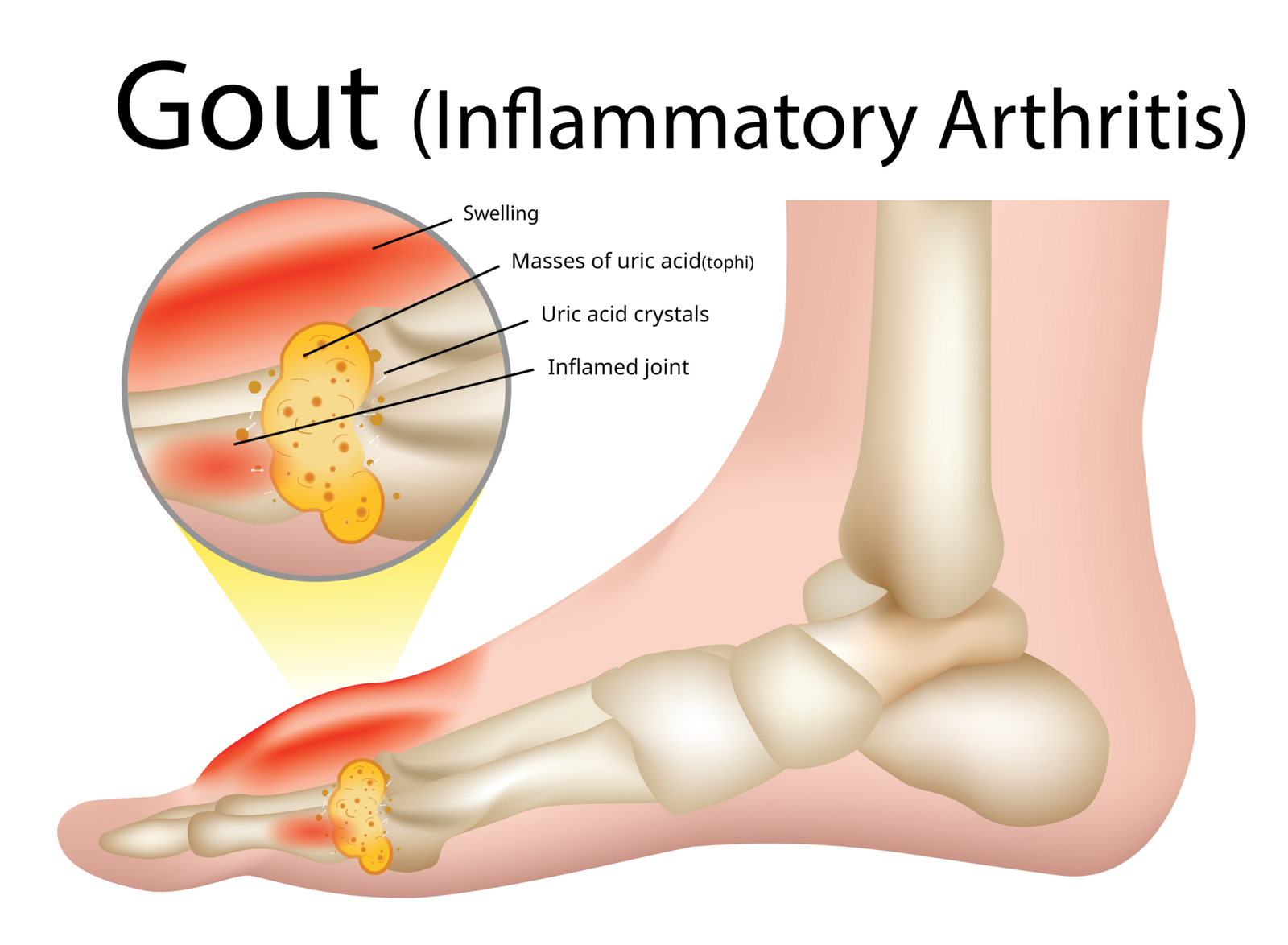
Arthritis affects many people, and it shows up in many different forms. Some types stay mild for years, while others progress quickly. Since the joints carry your body through daily movement, any pain there gets your attention fast. Here is more information on how inflammation connects to arthritis and what that means for you:
Primary Driver
Inflammation is your body’s natural response to injury or infection. When it becomes chronic, it turns from a helper into a problem, and this shift sits at the heart of many arthritis cases. Your immune system sends cells to a joint that isn’t actually hurt.
Inflammation is a primary driver behind joint pain. It swells the tissue, and it triggers stiffness that lingers each morning. While the process may be invisible, its effects show up in how you move.
Damaged Joints
Your joints hold two bones together and let them glide smoothly. When inflammation lingers, it attacks the soft tissue inside, and the joint slowly loses its comfortable range of motion. This damage builds over months when you have arthritis.
Ongoing swelling puts pressure on the entire joint structure. The lining thickens, and nearby ligaments grow weaker. Since damaged joints rarely repair themselves fully, early attention matters. You might notice these signs first:
- Stiffness that lasts more than an hour
- Inflammation around one or more joints
- Warmth or redness near the joint
Eroded Cartilage
Cartilage is the smooth cushion that covers the ends of your bones. It absorbs shock, and it lets bones move without grinding together. When inflammation stays active, this protective layer breaks down over time.
Erosion happens gradually, so you may not notice it right away. The cartilage thins, and bone begins to rub against bone. While some wear comes with age, chronic inflammation may speed the process.
Once cartilage erodes, the joint loses much of its natural padding. Movement grows painful, and simple tasks start to feel harder. Since cartilage does not regrow easily, protecting what you have becomes the goal.
Inflammatory Arthritis Types
Not every form of arthritis stems from inflammation, but several major types do. These conditions involve an immune system that mistakenly targets healthy tissue, and they may need specific medical care. Knowing the type helps guide treatment.
Rheumatoid arthritis is one common example. It attacks the joint lining directly, and it affects both sides of the body at once. While symptoms vary, the pattern points doctors toward a diagnosis. Major inflammatory types include:
- Rheumatoid arthritis
- Psoriatic arthritis
- Chronic gout
Each type behaves a little differently, so testing matters. A doctor may order blood work, and imaging scans reveal joint changes. Since early treatment slows damage, seeing a professional sooner rather than later helps you plan ahead.
Get Treated for Arthritis
Living with joint pain wears on your daily routine, and it affects your sleep, work, and activity levels. Treatment options range widely depending on your type of arthritis, and while results differ from person to person, professional guidance gives you a clear starting point. If joint pain or stiffness has become part of your day, reach out to a healthcare provider. Schedule an evaluation, and ask questions about the changes you notice.
- Methods for Youthful Skin Rejuvenation
- Functional Health and Its Role in Preventive Care
- Navigating Hormonal Changes and Wellness During Menopause
- Exploring Non-Invasive Treatments for Nerve Pain
- The Role of Dental Exams in Early Detection of Oral Diseases