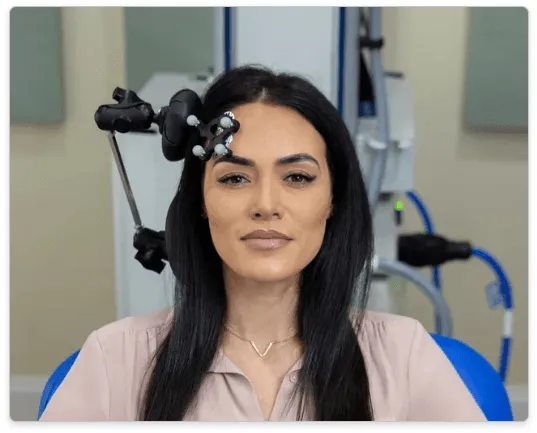
Women face a distinct set of mental health challenges throughout their lives. When these changes intersect with conditions such as depression or anxiety, managing mental health can become a complex, long-term process. For some women, standard treatment approaches, such as antidepressant medications, do not produce the desired results. This is where newer, non-invasive options like Transcranial Magnetic Stimulation (TMS) have been utilized by mental health professionals; patients gaining an understanding of how the process works can help them make more informed decisions about their care.
What Is TMS?
Transcranial Magnetic Stimulation is a non-invasive neurological procedure that uses targeted magnetic pulses to stimulate specific regions of the brain. These pulses are directed at areas associated with mood regulation; these can show reduced electrical activity in individuals experiencing certain psychiatric conditions. Unlike antidepressant medications, which distribute their effects across the brain’s chemistry as a whole, TMS allows clinicians to focus on particular underactive regions.
The goal is to increase electrical activity in those areas, restoring more typical patterns of communication between different parts of the brain. It aims to accomplish this without the systemic side effects that medications sometimes produce. TMS is administered in a clinical setting by trained medical professionals, and it does not require anesthesia or hospitalization.
What Can It Treat?
TMS is associated with the treatment of major depressive disorder, particularly in cases where patients have not responded adequately to one or more antidepressant medications. This profile can be a concern in women’s mental health; this is because depression affects women at roughly twice the rate it affects men. The suitability of TMS for any given individual depends on a thorough psychiatric evaluation. A qualified provider may review a patient’s medical history, current medications, and prior treatment responses before recommending TMS as part of a care plan.
What Does It Involve?
A standard TMS treatment course typically spans several weeks, with sessions scheduled multiple days per week. Each session lasts approximately 30 minutes, and it takes place in an outpatient setting. During the session, the patient is seated in a chair while a technician positions a specialized cap containing a magnetic coil on the head. The coil delivers magnetic pulses to the targeted brain region.
Patients generally report a light tapping sensation and a clicking sound throughout the session. No sedation is required, and patients are able to drive themselves home and resume regular daily activities immediately afterward. Following the TMS session, patients can immediately resume their normal daily activities.
Seek Professional Mental Health Care
TMS represents one part of a broader landscape of psychiatric treatment options available to women today. For those navigating depression or related conditions, TMS may warrant a conversation with a mental health professional. No single treatment is appropriate for every patient, and a comprehensive psychiatric evaluation remains a reliable first step toward identifying which interventions align with an individual’s specific needs and goals. Women seeking guidance on TMS or other mental health services are encouraged to schedule a consultation with a psychiatric provider who can offer a thorough, personalized assessment.
- Methods for Youthful Skin Rejuvenation
- Functional Health and Its Role in Preventive Care
- Navigating Hormonal Changes and Wellness During Menopause
- Exploring Non-Invasive Treatments for Nerve Pain
- The Role of Dental Exams in Early Detection of Oral Diseases