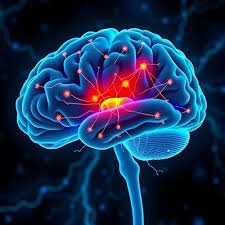
Brain surgery is a medical procedure that treats conditions affecting the brain, skull, and surrounding nerves. Surgeons rely on neuroscience to understand how brain regions control movement, speech, memory, and sensation, and this knowledge shapes each step of an operation. Modern tools now map the brain in detail so doctors can understand specialized conditions. The growing connection between neuroscience and surgical practice has changed how surgeons plan and carry out delicate procedures on the most complex organ in the body.
Brain Mapping
Brain mapping identifies the specific areas that manage functions like language and motor control, and surgeons use this information to plan safe routes through brain tissue during surgery. The process draws on scans and electrical signals to locate functional zones. Because each brain has slight differences in structure, mapping must be tailored to the individual patient before an operation begins. This step lowers the risk of damage to regions that govern speech or movement.
During awake brain surgery, a patient stays conscious while the surgeon stimulates small areas with mild electrical pulses, and the patient responds by speaking or moving on request. The surgical team records which regions trigger which responses. This feedback guides the surgeon away from functional zones, since the goal is to remove abnormal tissue while preserving healthy areas that support daily activities.
Tumor Diagnosis
Tumor diagnosis combines imaging, tissue analysis, and neurological examination to determine the nature of a growth within the brain. Doctors review the results to classify the tumor as benign or malignant, since that can alter treatment plans. A clear diagnosis informs whether surgery, observation, or another treatment path fits the situation. This early assessment shapes the entire surgical plan and the methods a team selects.
Targeted Therapy
Targeted therapy focuses treatment on specific markers found within tumor cells, and neuroscience helps identify pathways that allow tumor growth. The approach aims to limit harm to surrounding healthy tissue. Genetic testing of a tumor sample often reveals which mutations are present, which directs the choice of therapy. This precision marks a shift away from broad treatments that affect the whole brain.
When a tumor sits near regions that control speech or motor function, surgeons sometimes combine targeted therapy with surgery. The drugs travel through the bloodstream to reach cancer cells with particular markers. Because the brain has a protective barrier that blocks many substances, researchers study new ways to deliver these treatments.
The role of neuroscience extends into recovery, where teams track how the brain adapts after treatment, and follow-up scans measure changes over time. Some patients receive additional therapy based on these results. The data gathered from each case informs future surgical decisions, and researchers can understand the brain a little more. This cycle of study and practice continues to refine how targeted treatments are applied.
Learn More About Brain Surgery
Neuroscience continues to inform preparation for the treatment of brain conditions, and mapping an individual’s brain highlights differences between individuals. When neurologists understand their patients’ brains, they can perform precise and safe surgeries. Individuals who need brain care often find support from neurologists. Contact a specialized clinic to discuss how neurology could benefit your brain surgery.
- Methods for Youthful Skin Rejuvenation
- Functional Health and Its Role in Preventive Care
- Navigating Hormonal Changes and Wellness During Menopause
- Exploring Non-Invasive Treatments for Nerve Pain
- The Role of Dental Exams in Early Detection of Oral Diseases