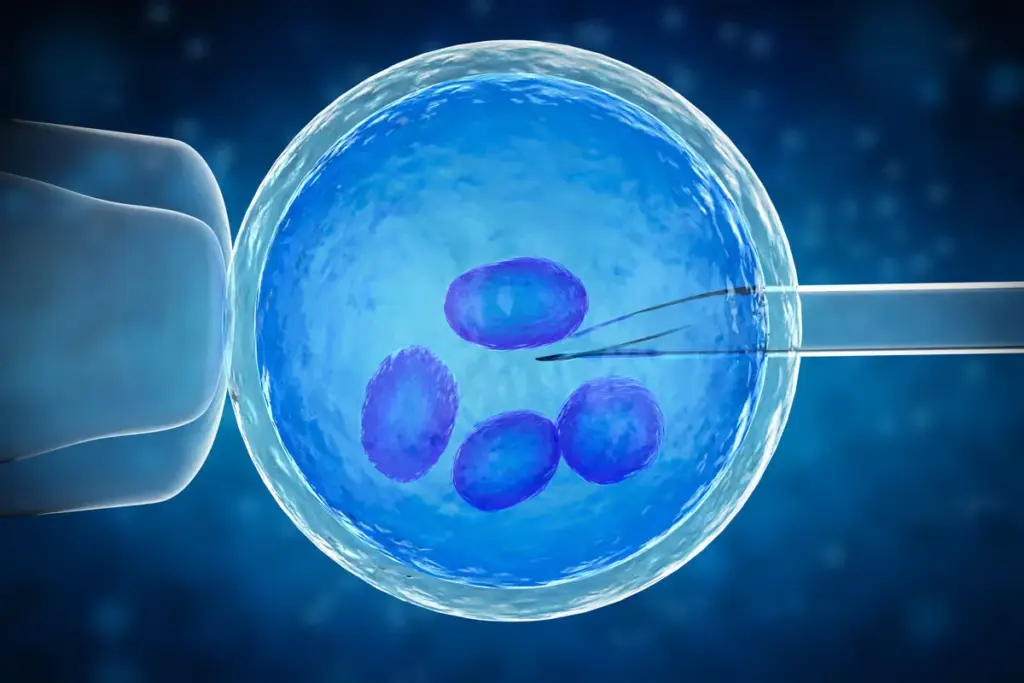
In vitro fertilization (IVF) is a fertility treatment that joins an egg and sperm outside the body, and the process moves through several stages, each of which has its own pace. Many people want a clear timeline before they begin, so this guide walks you through what to expect. Here is more information on the steps that determine how long the process will take:
Pre-cycle Evaluation
Your treatment starts with a thorough review of your health and fertility history. The team runs blood tests, and your partner may also provide samples. These results guide the IVF treatment plan your doctor builds for you.
A medical provider explains each test, and you receive instructions for the steps ahead. This early stage sets the foundation because accurate data shapes every later decision. You ask questions freely during these visits.
The evaluation often includes a few core checks:
- Hormone level testing
- Ultrasound of the ovaries
- Review of past medical records
Your doctor reviews these findings with you. The discussion is direct, and it covers what each result means. Since the plan depends on your unique body, this stage takes care and attention.
Ovarian Stimulation
Once your plan is ready, you begin a course of hormone medication. These drugs prompt your ovaries to grow several eggs at once. The dose depends on your test results.
You give yourself injections at home, and the clinic monitors your progress closely. Monitoring happens through blood draws and ultrasound scans. Since timing matters, the team tracks how your follicles develop day by day.
Suitable Egg Retrieval
When your follicles reach the right size, the doctor schedules the retrieval. This is a short procedure performed under sedation. You rest afterward before heading home.
The doctor uses a thin needle guided by ultrasound. The eggs are collected from the follicles, and the lab receives them right away. Since the procedure is brief, most people recover quickly.
A few points help you prepare for retrieval day:
- Arrange a ride home in advance
- Follow all fasting instructions
- Plan to rest for the remainder of the day
Your care team gives you these details ahead of time. The instructions are simple, and following them keeps the day smooth. Since sedation is involved, you should avoid driving until the effects fade.
Subsequent Embryo Transfer
After retrieval, the lab combines your eggs with sperm to form embryos. The embryologist watches them grow over the next several days. Strong embryos move forward to transfer.
The transfer itself is quick and usually painless. A thin catheter is placed into the uterus, and you rest briefly before leaving. Since the step is gentle, sedation is rarely needed.
Some patients freeze extra embryos for later use. This choice gives you options if you want another cycle. Your doctor explains storage details, and you decide what fits your goals. One cycle of IVF takes about two to three weeks.
Schedule IVF Services Near You
The IVF timeline moves through evaluation, stimulation, retrieval, and transfer. Each stage builds on the one before it, and the full process unfolds at its own pace. When you’re ready, contact a fertility clinic near you to book a consultation so a medical team can review your situation and outline a plan tailored to you. Reach out today to start the conversation.
- Methods for Youthful Skin Rejuvenation
- Functional Health and Its Role in Preventive Care
- Navigating Hormonal Changes and Wellness During Menopause
- Exploring Non-Invasive Treatments for Nerve Pain
- The Role of Dental Exams in Early Detection of Oral Diseases