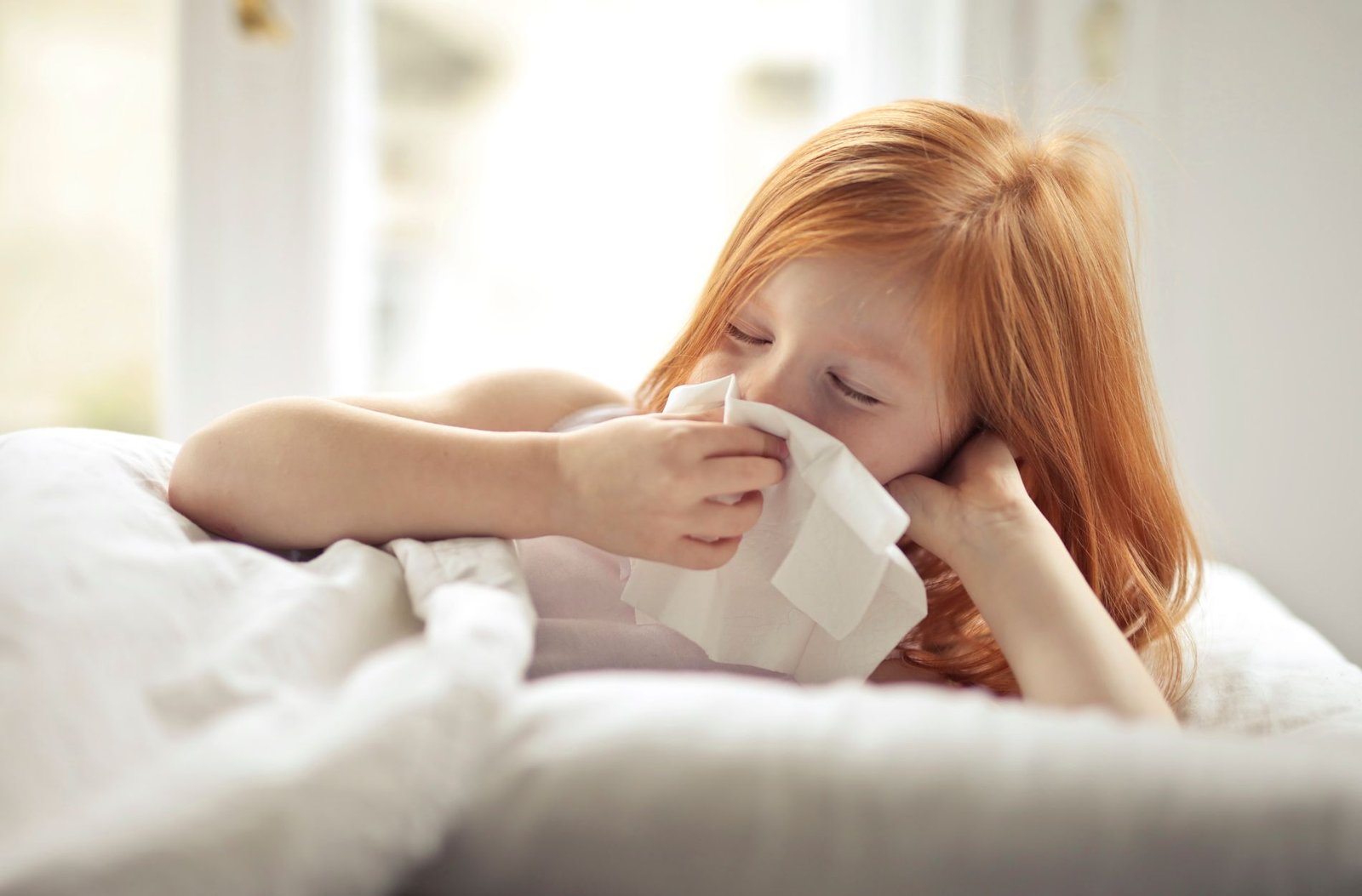
Asthma is a chronic respiratory condition that causes coughing, wheezing, chest tightness, and difficulty breathing in children. Allergies may trigger or worsen asthma symptoms when a child encounters substances such as pollen, dust, or pet dander. Here is more information on the link between asthma and allergies in children:
Understand the Connection
Asthma and allergies often appear together in children, and this overlap has a name: allergic asthma. When a child breathes in a substance their body reacts to, the immune system responds, and this reaction can tighten the airways. Doctors observe that children with allergies face a higher chance of developing asthma symptoms, though each child responds differently. Understanding this link is key, and a specialist can pinpoint whether allergens play a role in your child’s breathing difficulties.
Identify Common Triggers
Recognizing what sets off a reaction helps you reduce asthma flare-ups. Here are key triggers that often appear in children:
- Pollen: Trees, grasses, and weeds release pollen that irritates the airways, and outdoor activity during high-pollen days often worsens symptoms.
- Dust mites: These tiny creatures live in bedding, carpets, and soft toys, so regular cleaning can lower exposure.
- Pet dander: Skin flakes from cats and dogs trigger reactions in sensitive children, and this can happen even in homes without pets.
- Mold: Damp areas grow mold spores, which children may inhale, and this often affects breathing in bathrooms or basements.
- Smoke and strong odors: Cigarette smoke, cleaning products, and perfumes irritate sensitive airways, so avoiding them is helpful.
Recognize Asthma Symptoms
Recognizing asthma symptoms early helps you respond before an episode becomes severe. A common sign is wheezing, a whistling sound during breathing, and it often appears at night or during activity. Children may also cough repeatedly, complain of chest tightness, or run out of breath faster than their peers. When these signs appear regularly, you should contemplate scheduling an evaluation with a specialist. Symptoms vary from child to child, and some children show mild signs while others react strongly. Watch for fatigue during play, trouble sleeping from coughing, or frequent respiratory infections that linger.
Manage Both Conditions
Managing asthma and allergies together works best when you combine daily habits with professional guidance. A specialist can create a plan that fits your child’s specific triggers and symptoms, and this plan often includes prevention and treatment steps. The goal is fewer flare-ups and better breathing during everyday activities.
Reduce Exposure at Home
Lowering allergen levels at home is a practical first step. Wash bedding in hot water, use allergen-proof covers, and vacuum with a filter that traps fine particles. Keeping humidity low discourages mold and dust mites, so a dehumidifier can help in damp rooms. These habits reduce triggers, and they support the treatment plan your specialist recommends.
Follow a Personalized Treatment Plan
A personalized plan gives your child clear steps for daily care and flare-ups, and consistency matters. The specialist may recommend medications, allergy management strategies, or an action plan that outlines what to do during symptoms. Regular check-ins allow the specialist to adjust the plan as your child grows, keeping treatment effective.
Manage Asthma With Expert Care
Asthma and allergies often occur together in children, and understanding their connection helps you respond appropriately. Early testing and a personalized plan give your child a clear approach toward easier breathing. Regular communication with a specialist also makes sure the treatment evolves alongside your child’s needs. To manage your asthma with expert care, contact a qualified asthma and allergy specialist near you to schedule your appointment today.
- Methods for Youthful Skin Rejuvenation
- Functional Health and Its Role in Preventive Care
- Navigating Hormonal Changes and Wellness During Menopause
- Exploring Non-Invasive Treatments for Nerve Pain
- The Role of Dental Exams in Early Detection of Oral Diseases