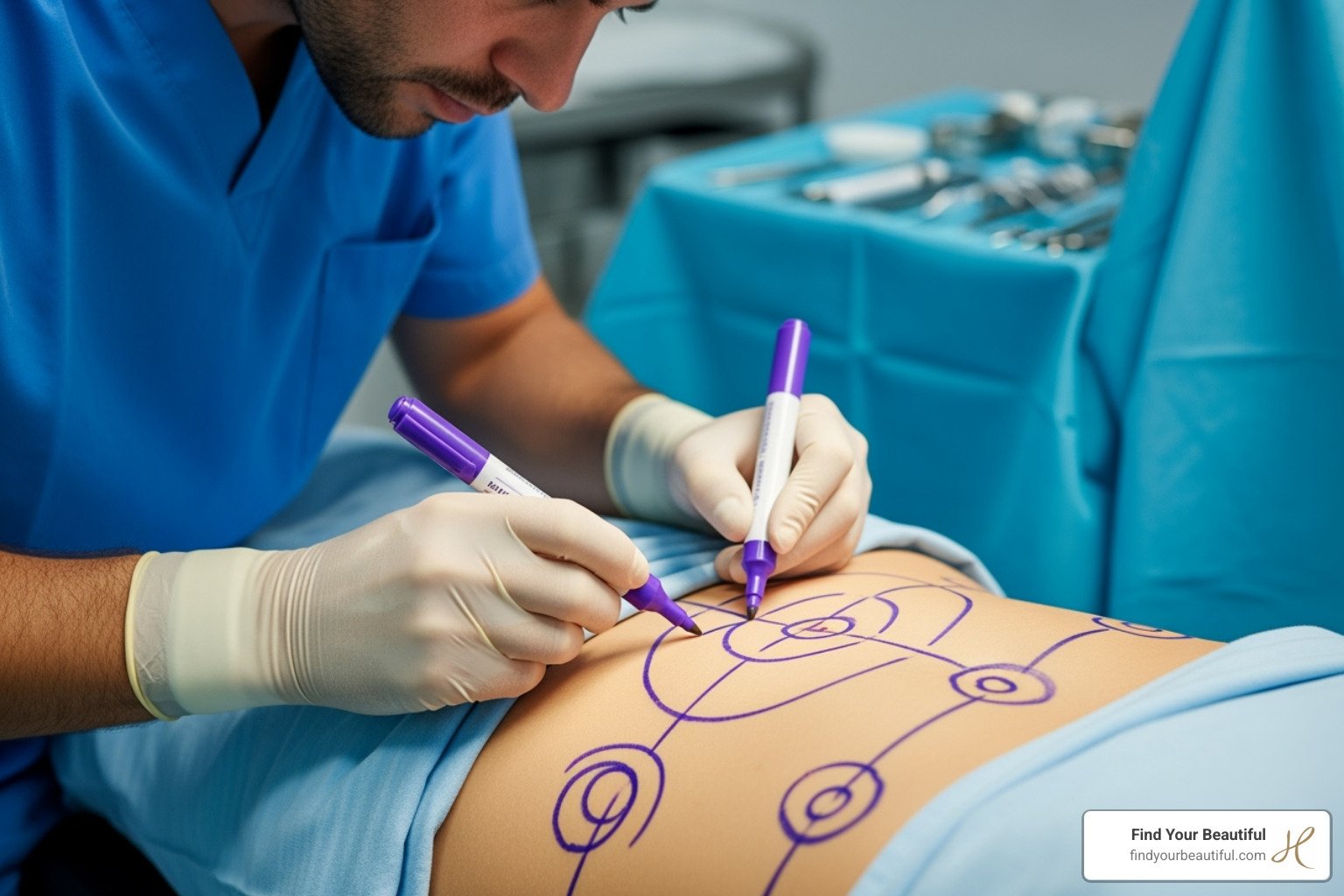
Liposuction is a cosmetic surgical procedure that removes localized deposits of fat from specific areas of the body. This procedure is not a weight-loss solution; liposuction targets fat that does not reduce with diet and exercise, reshaping and contouring the body for a more refined silhouette. Here is more information about liposuction:
Understanding Lipsuction
During a liposuction procedure, a surgeon inserts a thin tube called a cannula beneath the skin to break up and suction out fat cells. The abdomen, thighs, hips, and chin are all areas commonly addressed with liposuction, and surgeons can treat multiple sites in a single session. Results vary by patient, but the procedure delivers precise contouring that broader weight loss methods cannot replicate.
Recovering From the Procedure
The initial recovery from liposuction lasts about two weeks. You may experience fluid retention and swelling. Most patients return to work within a few days, though strenuous activity is usually restricted for six weeks. Full results become visible once swelling resolves; full recovery can take up to six months.
The recovery experience depends on the extent of the procedure and the areas treated:
- Compression garments are worn post-operatively to minimize swelling and support the skin.
- Follow-up appointments allow the surgeon to monitor progress and address any concerns.
Closely following your surgeon’s aftercare instructions helps you recovery from your procedure.
Identifying Suitable Candidates
Good candidates for liposuction are adults who are at or near a stable, healthy body weight with firm, elastic skin. Excess skin laxity can limit the quality of contouring results; the skin needs to contract smoothly over the treated area. A thorough consultation with a board-certified cosmetic surgeon helps determine your candidacy based on your goals and anatomy.
Certain medical conditions or lifestyle factors may affect candidacy. Ideal candidates should:
- Be non-smokers or be willing to quit smoking before and after surgery.
- Have realistic expectations about what the procedure can achieve.
- Be of adult age
Exploring the Results
The fat cells removed during liposuction are gone permanently, so the contouring achieved through the procedure can be long-lasting. Significant weight gain after surgery can cause remaining fat cells in the treated area to expand, which sometimes alters the results. Maintaining a stable weight through balanced nutrition and regular activity supports the longevity of liposuction outcomes.
In many cases, a single liposuction session can produce the desired result, but some patients choose to undergo additional procedures later to refine their contour or address new areas. The surgeon will discuss realistic expectations during the consultation. Patients can have a clear picture of what one treatment will accomplish.
Learn More About Liposuction
Liposuction is a targeted fat-removal procedure suited to patients near their healthy body weight who want to refine specific areas that have not responded to lifestyle changes. Recovery takes several weeks, full results emerge over several months, and the removed fat cells do not return. Maintaining a stable weight after surgery preserves those results over time. If you want to learn more about liposuction, consult a cosmetic surgeon near you.
- Methods for Youthful Skin Rejuvenation
- Functional Health and Its Role in Preventive Care
- Navigating Hormonal Changes and Wellness During Menopause
- Exploring Non-Invasive Treatments for Nerve Pain
- The Role of Dental Exams in Early Detection of Oral Diseases