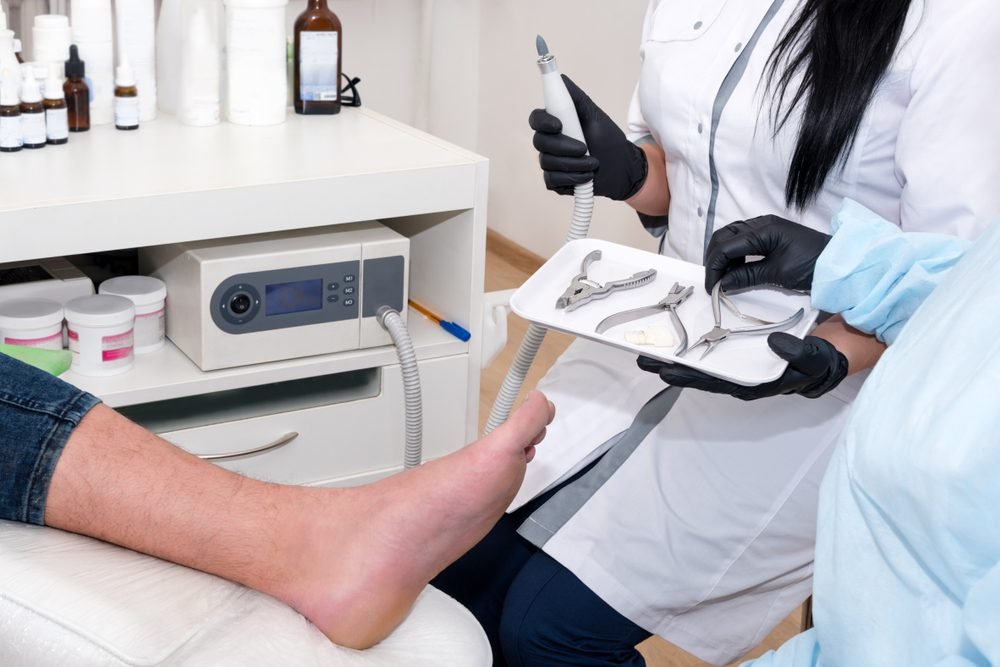
An ingrown toenail occurs when the edge or corner of a nail grows into the surrounding skin instead of over it. This condition most often affects the big toe, and it can produce pain, redness, and swelling along the nail border. Here is more information about ingrown toenails:
Ingrown Toenail Causes
Several everyday habits and physical factors may contribute to an ingrown toenail. Cutting nails too short or rounding the corners encourages the nail to curve into the skin, and this shape change often initiates the condition. Footwear also plays a role. Tight shoes press the toes together, which forces the nail edge against the surrounding tissue.
Genetics and foot structure influence risk, too. Some people inherit naturally curved nails, so their nails press into the skin more easily than flat ones. Injury adds another factor because stubbing a toe or dropping something on it can alter how the nail grows. Repeated pressure from activities like running or kicking may produce similar results over time.
Potential Complications
Leaving an ingrown toenail untreated allows the irritation to continue, and the affected skin may become increasingly tender and damaged. Redness and swelling often spread as the nail pushes deeper into the tissue. Without care, the area can allow bacteria to enter and infect the skin. Signs of infection include warmth, pus, and expanding redness around the nail. People with reduced sensation in their feet, such as diabetics, may not notice these changes early, which makes complications more likely for them.
Home Care and Professional Treatments
Home care can be effective for many mild cases:
- Soak the foot in warm water several times a day to soften the skin and ease discomfort.
- Keep the area clean to support the healing process.
- Place a small piece of cotton or dental floss under the nail edge to gently guide it away from the skin.
- Wear open-toe or roomy shoes to reduce pressure during recovery.
When home methods do not achieve the desired results, a professional can offer more advanced options. A specialist may lift the nail, trim the ingrown portion, or apply a splint under the nail edge. For repeated cases, a partial nail removal procedure addresses the section that keeps growing into the skin because that approach targets the source of the problem.
Common Prevention Techniques
Good nail care forms the foundation of prevention. To reduce the risk of ingrown toenails, perform the following preventive measures:
- Trim nails correctly: Cut nails straight across rather than curved, keeping them at a moderate length that reaches the tip of the toe.
- Use the right tools: Always use clean, sharp tools designed for nail care.
- Choose appropriate footwear: Select shoes with enough room in the toe box to avoid crowding the toes.
- Wear moisture-wicking socks: Keep your feet dry by pairing your shoes with suitable socks.
- Protect your toes during sports: Wear protective footwear that limits repeated impact on the toes during physical activity.
Treat Your Ingrown Toenail
An ingrown toenail develops when a nail grows into the surrounding skin. It can cause pain, swelling, and infection if left alone. Foot care should be a priority for everyone, but people with diabetes should especially receive regular professional foot care. Reduced sensation can cause small wounds, like ingrown nails, to turn into serious ulcers. If you want to learn more about maintaining your foot health, consult a foot and ankle center near you.
- Methods for Youthful Skin Rejuvenation
- Functional Health and Its Role in Preventive Care
- Navigating Hormonal Changes and Wellness During Menopause
- Exploring Non-Invasive Treatments for Nerve Pain
- The Role of Dental Exams in Early Detection of Oral Diseases