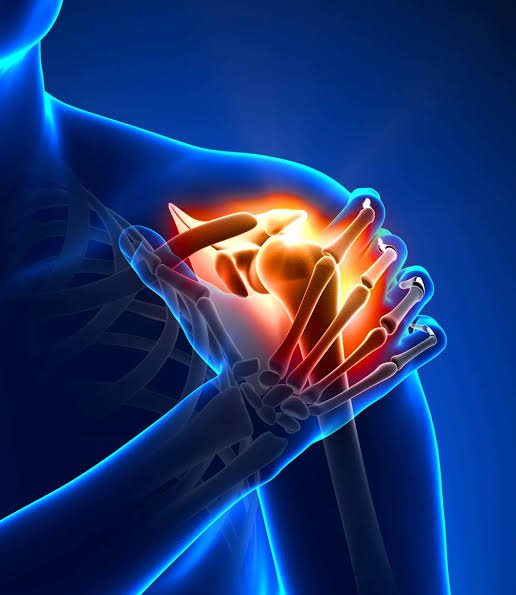
Shoulder pain affects daily tasks like reaching, lifting, and dressing, and the pain may stem from strained muscles, overuse, or poor posture during work. Many people feel stiffness or aching that limits their range of motion. You have several home methods available, and these steps often reduce discomfort while you recover. This is what you can do at home to help manage shoulder pain:
Apply an Ice Pack
Ice is used to reduce swelling, and it numbs the affected area to lower discomfort. Apply a cold pack for 15 to 20 minutes at a time. Since cold restricts blood flow, it slows the inflammation that follows an injury. Repeat this process every few hours during the first two days.
Wrap the ice pack in a thin towel before placing it on your skin. Direct contact with ice may cause frostbite or skin irritation. You protect the tissue with a barrier, and you still get the cooling effect. Stop the treatment if the skin turns very pale or numb.
Modify Activities
Adjust your movements so you avoid further strain on the joint. When you stop the motions that trigger shoulder pain, the tissue gets time to heal. Rest the shoulder, but keep it moving gently to prevent stiffness. Avoid heavy lifting during this recovery period.
Small changes to your daily routine reduce pressure on the joint. Try these simple adjustments while your shoulder recovers:
- Keep frequently used items at waist height
- Sleep on your unaffected side with a pillow for support
- Carry bags on the opposite shoulder
These habits limit repeated strain, and they let the tissue settle. The changes are minor, though they add up over a full day. Return to normal activity slowly once the pain decreases.
Take Pain Relievers
Over-the-counter medication eases mild to moderate shoulder pain. Nonsteroidal anti-inflammatory drugs reduce swelling, and they dull the aching sensation. Since these drugs affect the stomach, take them with food. Follow the dosage printed on the label.
Acetaminophen offers an alternative when you want to avoid anti-inflammatory drugs. This option targets pain without reducing inflammation. Read the instructions, and never exceed the daily limit. Speak with a pharmacist if you take other medications regularly.
Stretch Gently
Light stretching keeps the joint mobile during recovery. When you move the shoulder slowly, you prevent the stiffness that comes with rest. Gentle motion restores flexibility, and it supports the healing tissue. Stop any stretch that sharpens the pain.
A few basic stretches support shoulder recovery without overloading the joint. Add these movements to your routine once or twice a day:
- Pendulum swings while leaning forward
- Cross-body arm stretches held for 20 seconds
- Slow shoulder rolls in both directions
Perform each stretch within a comfortable range, and never force the motion. Since the tissue stays sensitive, ease into every movement. Build the repetitions gradually as the discomfort fades.
Get Treated for Shoulder Pain
Home care helps in many cases, though some symptoms call for professional input. Sudden swelling, weakness, or an inability to lift the arm signals a deeper issue. A clinician examines the joint, and they identify the source of the problem. Schedule an appointment with a qualified provider if your shoulder pain continues. Book a consultation today to discuss your symptoms and treatment options.
- Methods for Youthful Skin Rejuvenation
- Functional Health and Its Role in Preventive Care
- Navigating Hormonal Changes and Wellness During Menopause
- Exploring Non-Invasive Treatments for Nerve Pain
- The Role of Dental Exams in Early Detection of Oral Diseases