A colon cancer diagnosis may lead to many changes, and surgery is often part of the conversation about treatment. Its aim is to remove the cancerous tissue, preventing its spread. Understanding colon cancer surgery and what to expect can empower you to have more informed conversations with your medical team.
What Is Colon Cancer?
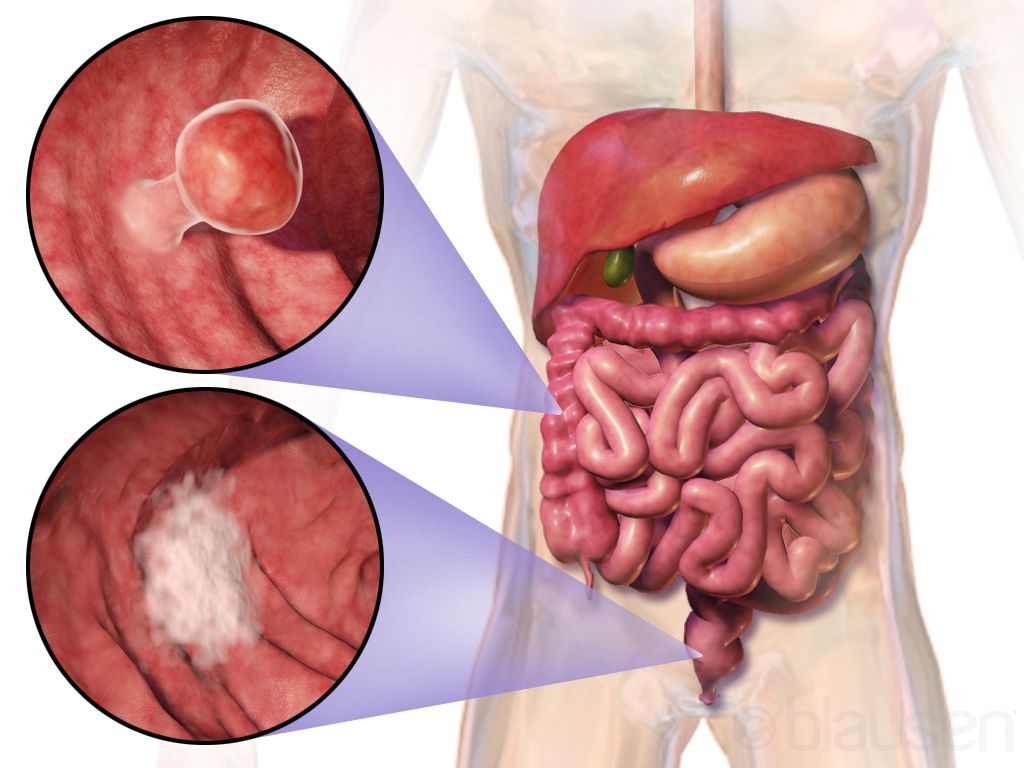
The colon plays a role in digestion by carrying food waste out of the body. Colon cancer begins when cells in the lining of the colon start to grow in a way the body does not control. These cells can form a growth called a tumor. Many cases of colon cancer start as small clumps of cells, known as polyps. Some polyps are harmless, but others may turn into cancer over the years. This is why doctors often recommend screening tests, such as a colonoscopy. Screening can find polyps early, sometimes before they ever become a problem.
What Is Colon Cancer Surgery?
Surgery is one of the main ways doctors treat colon cancer. The purpose of colon cancer surgery is to remove the cancer, along with a small amount of healthy tissue around it. The type of surgery depends on where the cancer is located, and the complexity of the procedure depends on how far it has spread.
A common procedure is called a colectomy. During this operation, the surgeon removes the part of the colon that contains the cancer. After removing the affected section, the surgeon usually connects the healthy ends of the colon back together. This connection is not possible right away in some cases, and the surgeon may create an opening on the abdomen called a stoma. Waste then passes into a small bag worn outside the body. A stoma can be temporary or permanent, depending on the situation.
Surgeons may use different approaches to reach the colon. Open surgery uses one larger cut, and minimally invasive surgery uses several small cuts and a tiny camera. Some hospitals also offer robotic-assisted surgery, where the surgeon guides instruments with the help of a machine. Your surgical team will explain which method fits your case and why. Surgery is sometimes combined with other treatments, such as chemotherapy or radiation.
What Should You Expect?
Knowing the general steps can help you approach the process with clarity. Before surgery, your medical team will run tests to learn more about your health. You may need blood work, or you will have to follow instructions to clean out your colon ahead of time. Your doctor can also ask about the medicines you take and adjust them as needed.
On the day of the operation, you will receive medicine to keep you asleep and free of pain. You will spend time in a recovery area afterward where staff watch your progress closely. Recovery in the hospital can last several days. Once you go home, you may have guidelines about diet, activity, and wound care. Follow-up visits allow your doctor to check your healing and talk about any further treatment. Every recovery is different. Some people return to normal routines within a few weeks, and others need more time.
Speak With a Colon Surgeon
A colon surgeon will review your situation, and they can help you understand what your condition and potential treatment mean for your health. You may want to ask about the type of surgery suggested and the expected recovery time. If you have received a colon cancer diagnosis or have concerns about symptoms, reach out to a colon surgeon.
- Methods for Youthful Skin Rejuvenation
- Functional Health and Its Role in Preventive Care
- Navigating Hormonal Changes and Wellness During Menopause
- Exploring Non-Invasive Treatments for Nerve Pain
- The Role of Dental Exams in Early Detection of Oral Diseases