A shoulder injury involves damage to any of the structures that make up the shoulder joint, including the tendons, ligaments, muscles, cartilage, or bones. These injuries often happen suddenly during an accident or sport, or they may develop gradually through repetitive motion and wear. Many people experience a limited range of motion, pain, or weakness in the affected area. Medical intervention for shoulder preservation may be appropriate when symptoms persist, when function declines, or when a healthcare provider identifies structural damage. Here’s information on non-surgical shoulder preservation methods that may help delay or avoid the need for surgery:
Starting With At-home Care
For many minor shoulder injuries, at-home care is an effective step in shoulder preservation. Rest gives inflamed tissues time to settle and reduces further strain on the joint. This often means pausing activities that trigger discomfort, such as overhead lifting or repetitive reaching. Nonsteroidal anti-inflammatory medications (NSAIDs) are another common option, and they help address swelling and manage discomfort. People should follow dosing instructions and consult a pharmacist or physician if they have questions about use.
Beginning Professional Care
When at-home methods do not relieve pain adequately, professional care may be necessary. An orthopedic physician can evaluate the shoulder and recommend targeted treatments based on the specific injury. After an exam and a review of the management efforts already tried, doctors may recommend advanced care options, such as pain injections.
Steroid injections deliver anti-inflammatory medication directly to the affected area, which may reduce localized swelling around the joint. Providers typically limit the number of injections over a given period to protect surrounding tissue. Immobilization is another approach they may discuss. A brace or sling holds the shoulder in a stable position, restricting movement so the injured structures have an opportunity to recover. The duration of immobilization depends on the type and severity of the injury.
Trying Advanced Non-surgical Treatments
For injuries that require more than standard professional care, several advanced non-surgical treatments are available. These options aim to support the body’s recovery while keeping the natural joint intact. These advanced options share a common purpose: to maintain the shoulder’s natural structure.
Orthobiologics
Orthobiologics are treatments derived from biological substances that may assist the body’s healing processes. Some common examples include platelet-rich plasma (PRP) and certain cell-based preparations. A provider prepares these materials and administers them to the injured area, often through injection. Research into orthobiologics is ongoing, and providers determine candidacy based on individual circumstances.
Physical Therapy
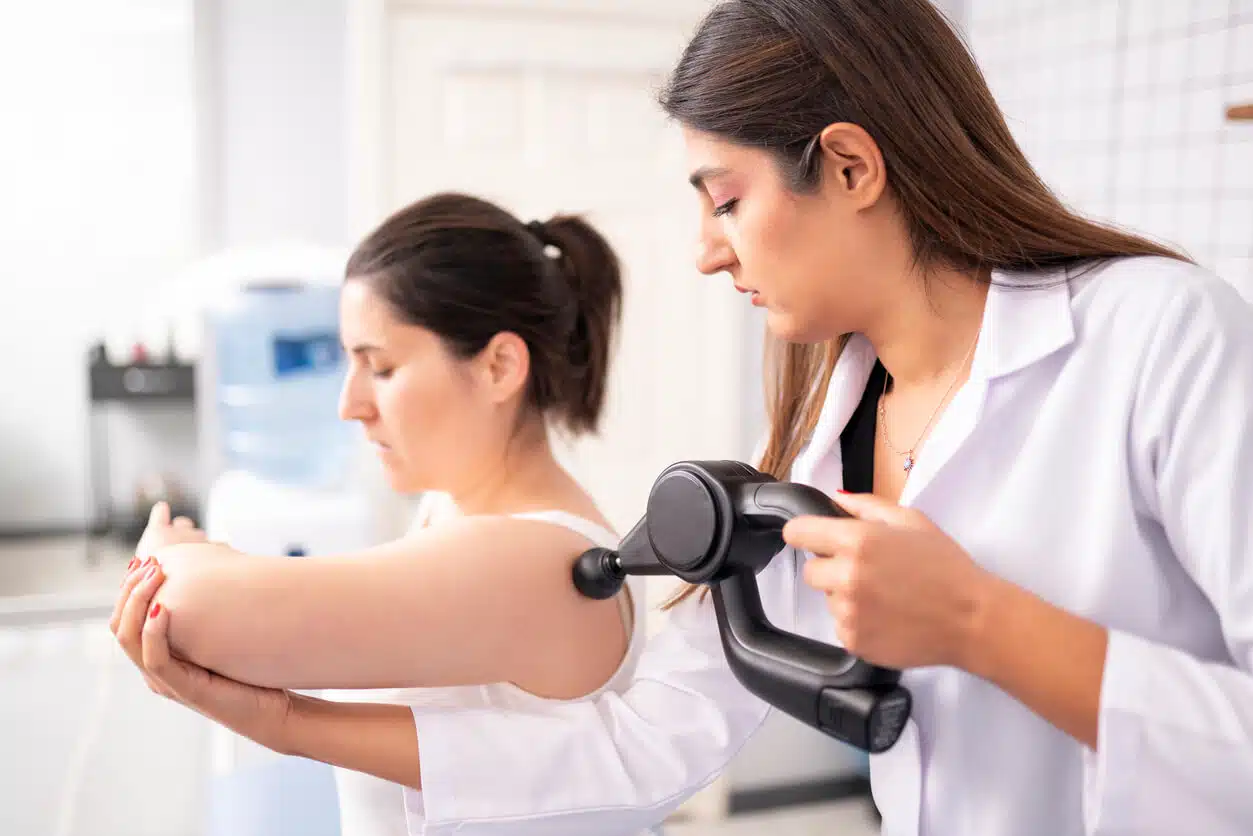
Physical therapy focuses on restoring strength, mobility, and stability through guided exercise. A licensed therapist designs a program for the specific person and their injury while monitoring progress over time. Sessions often include stretching, resistance work, and manual techniques, but consistent participation is central to regaining and preserving shoulder function.
Try Non-Surgical Shoulder Preservation Treatments
Non-surgical options offer a range of approaches for people managing shoulder injuries, from rest and NSAIDs to advanced treatments like orthobiologics and physical therapy. Each stage builds on the last, giving patients and providers flexible ways to address discomfort and support natural joint function. The appropriate treatment approach for you depends on your injury, which a thorough medical evaluation can help you determine. Contact an orthopedic specialist to learn key shoulder preservation techniques personalized to your needs.
- Methods for Youthful Skin Rejuvenation
- Functional Health and Its Role in Preventive Care
- Navigating Hormonal Changes and Wellness During Menopause
- Exploring Non-Invasive Treatments for Nerve Pain
- The Role of Dental Exams in Early Detection of Oral Diseases