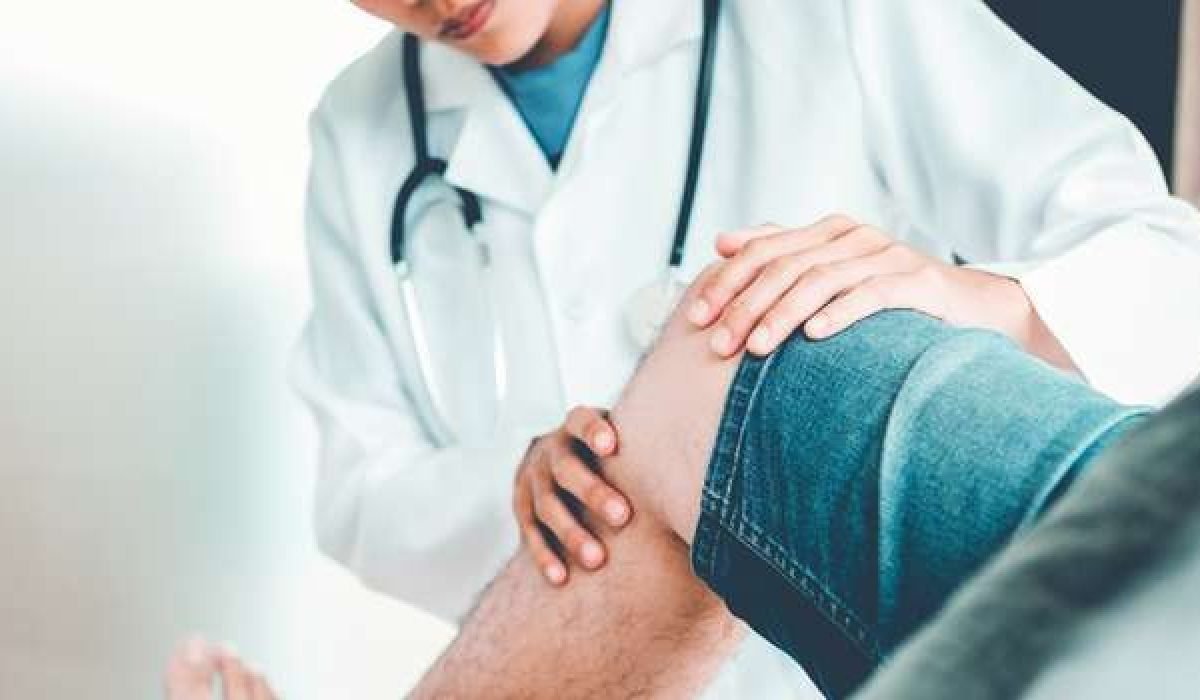
Knee pain shows up during walking, running, or climbing stairs, and it happens when joints, tendons, or cartilage face stress they cannot handle. Since the knee carries much of your body weight, small problems grow fast. You feel it, and it slows you down. Here is more information on strategies to manage knee pain during physical activity:
Adjusting Activities
Some movements strain your knees more than others. When jumping or deep squats cause sharp knee pain, you switch to gentler options. Swimming lowers joint stress, and cycling keeps your legs moving without hard impact.
Low-impact choices give your knees room to recover. Since these activities spread the load, your knees face less pounding. You keep your fitness routine, and you protect the joint. Start slow. Try these options when pain flares up:
- Swimming or water aerobics
- Cycling on flat routes
- Walking on soft surfaces
- Using an elliptical machine
Taking Pain Relievers
Over-the-counter medication can be used to reduce mild knee pain during activity. When inflammation builds up, drugs like ibuprofen or naproxen help reduce swelling. You take them with food, and you follow the label directions and read the dose carefully.
Pain relievers mask discomfort, but they do not fix the cause. Talk to a doctor before you rely on them daily. Since long-term use may carry risks, a professional reviews your situation first. Stay cautious with medication.
Warming Up First
Cold muscles and stiff joints react badly to sudden movement. A warm-up raises your heart rate, and it prepares the knee for work. When you skip this step, injury risk climbs. Give yourself five minutes.
Simple warm-up moves loosen the joint before harder effort. Add these to your routine:
- Marching in place
- Doing gentle leg swings
- Performing slow bodyweight squats
- Taking a short brisk walk
When blood flow increases, your tissues move more freely. You reduce strain, and you feel steadier during exercise. Warm up every time.
Cooling down after exercise is just as important as warming up. This recovery phase helps your body transition back to a resting state. While cooling down, you should perform gentle stretches to maintain flexibility and prevent stiffness, especially around the knee joint. By incorporating a consistent cool-down routine, you can enhance muscle recovery and reduce soreness.
Stretching Properly
Tight muscles pull on the knee and change how it moves. When your quads and hamstrings stay flexible, the joint tracks better. You stretch after warming up, and you hold each position gently. Never bounce.
Good technique matters more than force. Ease into each stretch, and stop if pain sharpens. Breathe through every hold. Since overstretching may harm muscles, timing shapes the result.
A steady stretching habit supports the muscles around your knee. Focus on the quads, hamstrings, and calves. When these areas loosen, the joint faces less tension during movement. You build the routine over weeks, and you stay consistent.
Find Treatment for Knee Pain
Persistent knee pain needs a closer look from a professional. When self-care fails, a provider examines the joint and reviews your history. You describe the pain, and they check for deeper problems. Since these notes guide the exam, they save time. You share them, and the provider plans the next steps. Schedule a visit with a provider today, and get your knee checked.
- Methods for Youthful Skin Rejuvenation
- Functional Health and Its Role in Preventive Care
- Navigating Hormonal Changes and Wellness During Menopause
- Exploring Non-Invasive Treatments for Nerve Pain
- The Role of Dental Exams in Early Detection of Oral Diseases