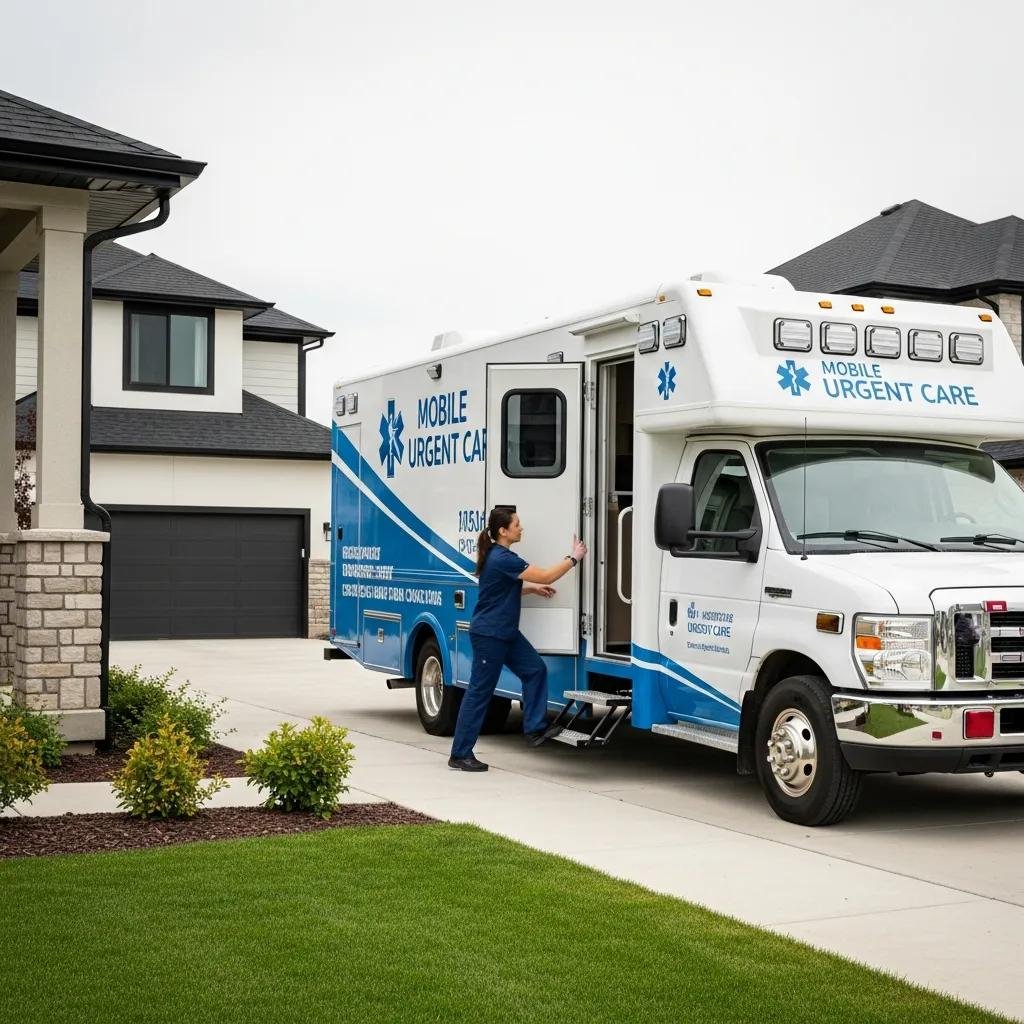
Urgent care, or a walk-in clinic, is a type of medical service that treats non-life-threatening conditions when your regular doctor is unavailable, and it often operates through walk-in clinics with extended hours. These facilities focus on common illnesses, which are everyday health issues that affect many people and usually resolve with basic treatment. Understanding when and how to use these services can help you make informed decisions about where to seek treatment for more urgent but non-life-threatening health concerns. Here is more information about urgent care services:
Using Urgent Care
Urgent care centers serve patients who need attention for minor conditions but cannot wait for a scheduled appointment. Many locations stay open on evenings and weekends, so you have access to care outside standard office hours. This flexibility helps people with busy schedules or unexpected medical concerns get the care they need. Walk-in clinics accept patients without prior appointments.
Treating Common Illnesses
Common illnesses account for a large share of walk-in clinic visits. Patients may arrive with symptoms such as:
- Coughs
- Congestion
- Fevers
- Minor infections
Walk-in clinic staff can address a range of routine health issues in a single visit. A patient with a suspected ear infection will likely receive an examination, and the provider can then discuss the findings and prescribe antibiotics or home care routines. Many centers also provide services like rapid testing and wound care for minor cuts. The goal is to manage everyday concerns efficiently because these problems rarely require the resources of a full hospital.
Seeking Emergency Care
An urgent care center is not a substitute for emergency services in serious situations. Emergency rooms treat conditions that pose an immediate risk to life or long-term health. Knowing the difference helps you choose the appropriate care facility. Certain symptoms call for emergency care rather than a walk-in clinic:
- Chest pain
- Difficulty breathing
- Severe bleeding
- Signs of stroke
Recognizing these warning signs allows you to direct yourself to the appropriate level of care.
Benefiting From Urgent Care
Walk-in clinics offer several practical advantages for people managing common illnesses. The extended hours allow for treatment when illness occurs after regular business hours have ended. A walk-in clinic helps ease the flow of patients into hospitals for conditions that are not life-threatening, enabling hospitals to treat the most serious cases more efficiently. Some centers coordinate with your primary provider, and this connection helps maintain continuity in your health records.
Primary care services are most effectively utilized for routine check-ups and preventive care; establishing a relationship with a primary care provider helps with comprehensive, long-term health management. These are services that are meant for addressing non-urgent health concerns, such as monitoring blood pressure or managing diabetes. Primary care providers are key resources for health education and guiding patients toward healthy lifestyle choices.
Use Your Health Resources
Urgent care fills a specific role in the healthcare system by treating common illnesses through accessible walk-in services. These clinics offer flexible hours, and they treat conditions such as colds and minor infections. Knowing where to seek care can help you get the treatment you need in a timely manner. If you want to learn more about urgent medical services, consult a walk-in clinic near you.
- Methods for Youthful Skin Rejuvenation
- Functional Health and Its Role in Preventive Care
- Navigating Hormonal Changes and Wellness During Menopause
- Exploring Non-Invasive Treatments for Nerve Pain
- The Role of Dental Exams in Early Detection of Oral Diseases