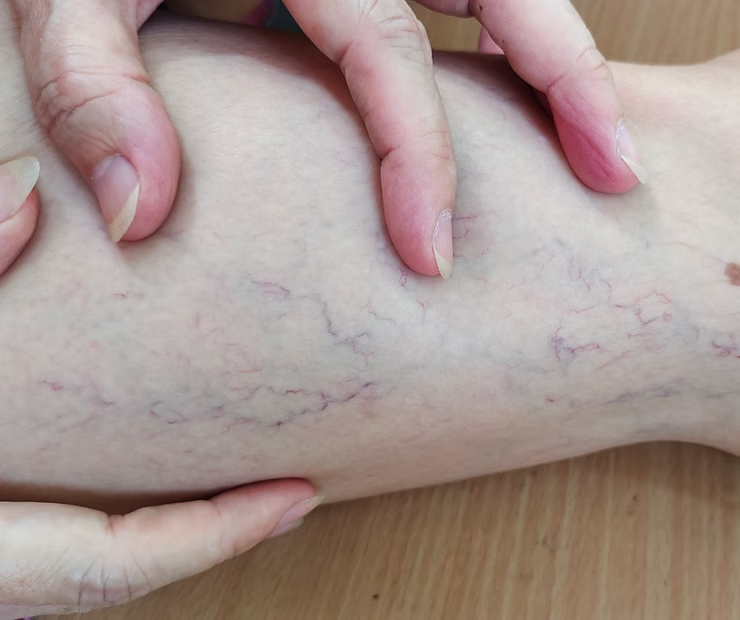
Spider veins are small, thin blood vessels, and they appear as red, blue, or purple lines that branch out in web-like patterns. Many people notice them on their legs, but they also show up on the face. Since they rarely cause pain, you might spot them only when checking your skin in the mirror. Here is more information on the difference between these two vein disorders and how they can affect you:
Varicose Vein Characteristics
Varicose veins are larger, swollen vessels that bulge above the skin. They typically appear on the legs, and they twist in rope-like shapes. When valves inside a vein weaken, blood can pool and stretch the vessel walls. This process leads to the raised look that defines this type.
Some people feel aching or heaviness in their legs by the end of the day. Standing for long periods makes the discomfort worse, and rest typically brings mild relief. Since varicose veins reflect deeper circulation changes, a specialist may examine them closely. You might also notice swelling around your ankles.
Spider Vein Characteristics
Spider veins stay flat against the skin, so they do not bulge or twist. They form thin, delicate lines, and they cover small patches of skin. Since they sit near the surface, their color shows clearly. Many people treat them as a cosmetic concern rather than a medical one.
These veins tend to spread gradually over time. Hormonal shifts, sun exposure, and long hours on your feet all play a role. You might see them cluster around the knees or cheeks, and they can multiply with age. A quick skin assessment helps identify the pattern.
A combination of preventive care and effective treatments can help manage these veins. Regular use of sunscreen helps to protect skin from further damage. While they may not pose a health risk, seeking professional advice leads to ideal outcomes for both cosmetic and skin health concerns.
Size and Appearance
Size marks the clearest difference between these two vein types. Varicose veins are typically wider, while spider veins stay much thinner. Since the vessels differ in depth, they also differ in how they look on your skin. This distinction guides how a provider describes each one.
Here is a simple way to tell them apart at a glance:
- Varicose veins: raised, bulging, rope-like, and blue or flesh-toned
- Spider veins: flat, thin, web-like, and typically red, blue, or purple
Varicose veins draw attention because they protrude from the surface. The other type blends into the skin more subtly, though they still catch the eye in clusters. When you compare the two, the contrast in size and texture becomes obvious.
Get Treatment for Spider Veins
Several options address spider veins directly; sclerotherapy uses a fine injection to fade the vessel, and endovenous laser treatment targets the vein with focused light. Since each option suits different skin types, a consultation helps match you to the right approach. Your provider reviews your skin and medical history first. Book a consultation with our expert team today, and get a personalized assessment of your spider veins.
- Methods for Youthful Skin Rejuvenation
- Functional Health and Its Role in Preventive Care
- Navigating Hormonal Changes and Wellness During Menopause
- Exploring Non-Invasive Treatments for Nerve Pain
- The Role of Dental Exams in Early Detection of Oral Diseases