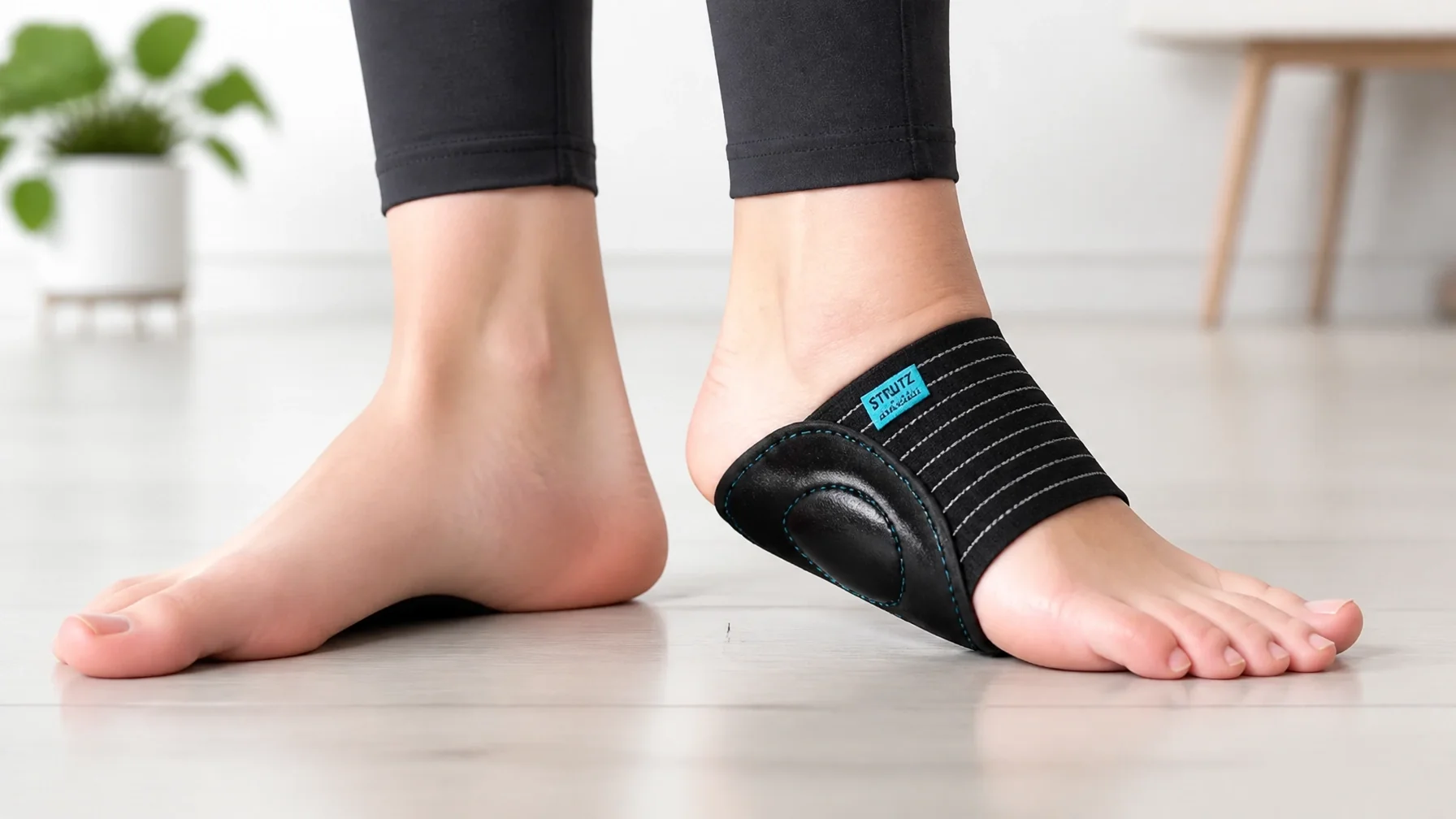
Flat feet (pes planus) can cause foot fatigue, discomfort, and reduced stability during exercise or other physical activities. The right support can improve comfort and help to maintain an active lifestyle. Here is more information on how to find suitable support for flat feet and active lifestyles:
Assessing Foot Structure and Symptoms
Understanding your foot structure gives you a starting point before you change your shoes or activity level. Review the following signs and features of flat feet:
- Arch height: The feet show little to no visible arch when standing, and the inner edge of the foot may rest flat against the floor.
- Pain location: Discomfort often centers in the arch or heel, though it can extend to the ankles, knees, or lower back as your gait changes.
- Swelling patterns: Some people notice swelling along the inside of the ankle that worsens after long periods of standing or walking.
- Alignment changes: Poor foot alignment can alter posture, and it sometimes creates a chain reaction that stresses joints higher up the leg.
Choosing Supportive Footwear and Orthotics
Footwear plays a key role in managing flat feet, and the right pair can distribute pressure more evenly across your foot. Look for shoes with firm heel counters, structured midsoles, and enough room in the toe box; these features work together to steady each step. Orthotics add another layer of stability, and they come in two main forms. Over-the-counter insoles fit inside most shoes and provide general arch support. Custom orthotics, shaped to your foot by a specialist, address specific alignment needs. They also require a fitting appointment. Check the tread and midsole of your shoes regularly, and swap out pairs that show heavy wear on the inner edge.
Adapting Exercise
Staying active with flat feet is realistic when you adjust how you move. Low-impact activities reduce stress on your arches while still building strength and endurance. If you prefer running or walking, softer surfaces such as tracks or trails are often gentler than concrete. Strengthening the muscles around your feet and ankles supports better alignment over time. Movements like toe curls, calf raises, and arch lifts can be added to a daily routine, and they require no special equipment. Stretching your calves and the bottom of your feet also helps, though you should build up slowly to avoid strain.
Seeking Professional Treatment
Home adjustments often help, but some symptoms call for professional input. The following options may be recommended by a specialist when flat feet interfere with your activities.
- Physical assessment: A podiatrist examines your gait, arch, and alignment to identify the source of discomfort.
- Imaging: X-rays or scans may be used to view bone structure and rule out related concerns.
- Custom orthotics: A specialist designs inserts tailored to your foot to improve support and distribute pressure.
- Targeted therapy: Guided exercises or physical therapy strengthen supporting muscles and address movement patterns.
- Bracing or taping: Temporary support methods may stabilize the foot during recovery or high-activity periods.
Schedule Your Flat Feet Appointment
Pes planus can lead to discomfort and impact daily activities if left unaddressed, but with the right interventions, symptoms can be managed effectively. Early recognition and professional assessment are fundamental, as they support tailored treatment plans that align with your unique needs and lifestyle. Contact a qualified foot and ankle specialist to schedule your flat feet appointment today.
- Methods for Youthful Skin Rejuvenation
- Functional Health and Its Role in Preventive Care
- Navigating Hormonal Changes and Wellness During Menopause
- Exploring Non-Invasive Treatments for Nerve Pain
- The Role of Dental Exams in Early Detection of Oral Diseases