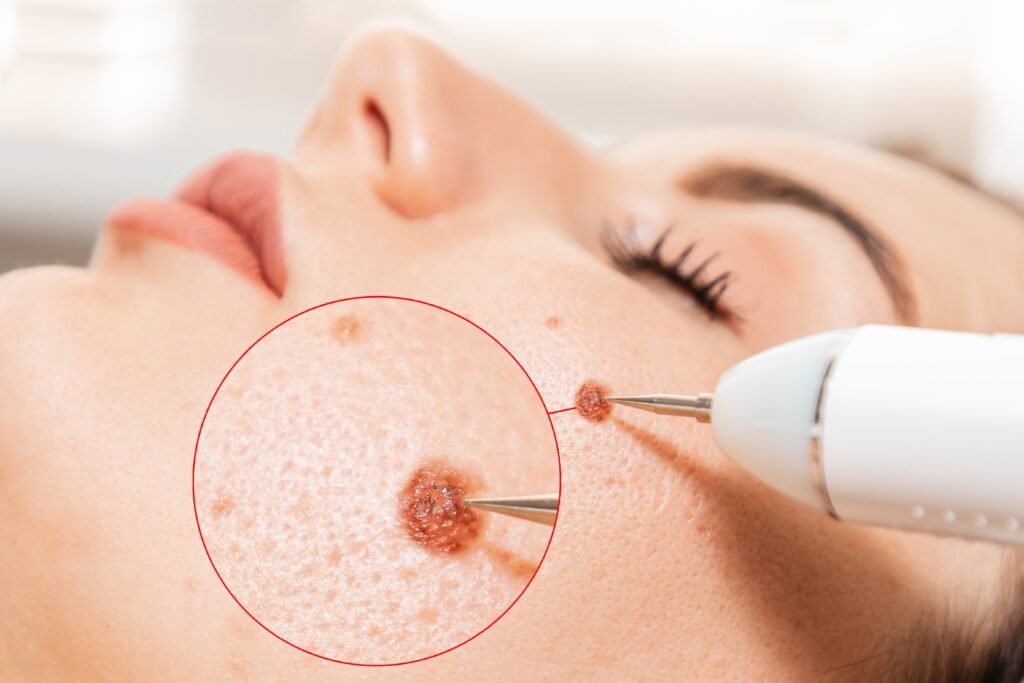
A skin cancer diagnosis often comes with questions about treatment. Mohs surgery is one option doctors can recommend, especially for certain types of skin cancer in sensitive areas. Patients should know what Mohs surgery involves, the risks it carries, and what generally happens before, during, and after the operation.
What Is Mohs Surgery?
Mohs surgery is a procedure used to treat skin cancer. Doctors remove thin layers of skin one at a time, and they examine those layers under a microscope for signs of cancer. The process continues until no signs of cancer remain. The goal is to remove all of the cancer while protecting the healthy skin around it. Because each layer is checked during the procedure, the surgeon can confirm when the cancer is gone. This makes a cure more likely and reduces the need for further treatment.
Mohs surgery is often used for common skin cancers, including basal cell carcinoma and squamous cell carcinoma. It can also treat melanoma and other less-common skin cancers. Many patients and surgeons prefer the procedure when a cancer sits in a tissue-sensitive area, such as around the eyes, ears, nose, mouth, hands, feet, or genitals. It can also help when a cancer has edges that are hard to define, is large, grows quickly, or has returned after earlier treatment.
The procedure is usually done with a local anesthetic to numb the area. Most patients have it in an outpatient setting and can go home the same day.
What Are the Risks?
Like any surgery, Mohs surgery carries some risks. The most common problems include bleeding, infection, and pain or tenderness around the treated area. Other problems are less common. Numbness in the surgical area can happen if small nerve endings are cut. Weakness can occur if a muscle nerve is affected while removing a larger cancer. Some patients notice shooting pain in the area. A larger scar may also form, depending on the size and location of the cancer. Most of these effects are mild. Severe pain after surgery is not common, and many problems resolve over time.
What Should Be Expected?
A surgeon may give instructions on which medicines and supplements to pause, particularly blood thinners. Patients should continue prescription medicines unless the surgeon advises otherwise. Eating a normal meal beforehand is typically fine.
Most procedures take less than four hours, but the exact length is hard to predict. Bringing a book or other activity can help pass the waiting time between stages. Comfortable clothing, dressed in layers, is recommended for temperature control.
Surgery takes place in an operating or procedure room with a lab nearby. The area is cleaned and marked, and doctors administer a local anesthetic. Surgeons remove the visible cancer along with a thin layer of tissue underneath, and then they apply a temporary bandage and send the tissue to the lab. Waiting for results usually lasts about an hour. If cancer remains, the surgeon removes another layer from the affected spot. This repeats until the final sample shows no cancer.
Patients will wear a bandage for a week or longer. Aftercare instructions explain how to clean the wound and when to change the dressing. A follow-up visit may be scheduled to confirm that the wound is healing well.
See a Dermatologist
If you have been diagnosed with skin cancer, talk with a dermatologist about your treatment options. Ask whether Mohs surgery is appropriate for your type and location of cancer. A qualified specialist can walk you through what to expect and help you make an informed decision about your care.
- Methods for Youthful Skin Rejuvenation
- Functional Health and Its Role in Preventive Care
- Navigating Hormonal Changes and Wellness During Menopause
- Exploring Non-Invasive Treatments for Nerve Pain
- The Role of Dental Exams in Early Detection of Oral Diseases